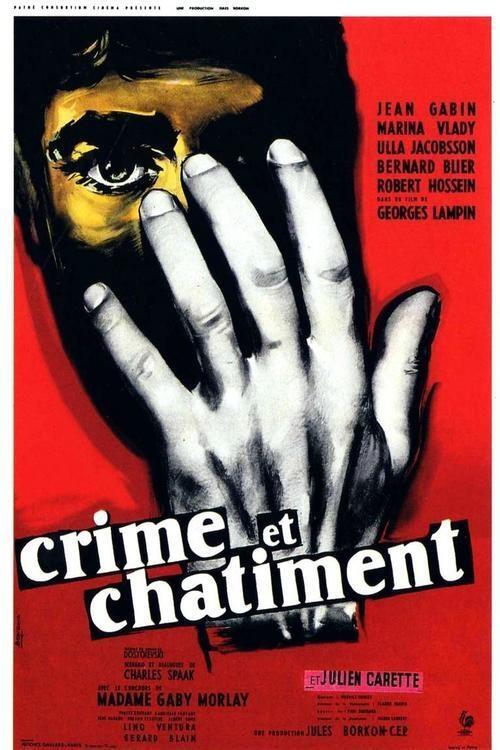
Crime and Punishment 1956
Based on Fyodor Dostoevsky's renowned novel, Crime and Punishment (1956) delivers a haunting psychological drama set in post-war Paris.
Director: Georges Lampin
Cast





Frequently Asked Questions
What is Crime and Punishment (1956) about?
The film follows former student Raskolnikov who, driven to desperation by financial hardship, commits murder and must grapple with overwhelming guilt as police investigate the crime. His internal battle between hiding his actions and confessing forms the core of this psychological drama.
Who directed Crime and Punishment?
The film was directed by Georges Lampin, a respected French filmmaker known for his psychological dramas and literary adaptations.
Who stars in Crime and Punishment?
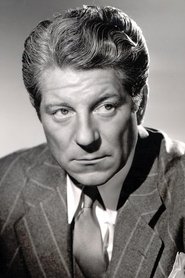
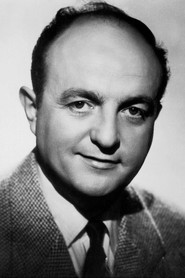
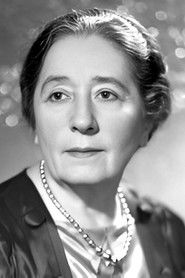
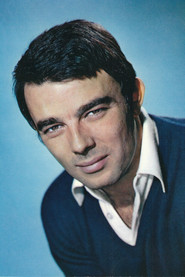
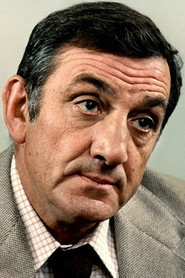
The main cast includes Jean Gabin as Raskolnikov, Marina Vlady, Ulla Jacobsson, Bernard Blier, and Robert Hossein in supporting roles.
Is Crime and Punishment (1956) worth watching?
With its strong performances and thoughtful direction, this adaptation offers compelling drama for fans of psychological thrillers and literary adaptations. The film's exploration of moral complexity makes it worthwhile viewing despite lacking an official rating.
How long is Crime and Punishment?
The runtime is 107 minutes.
Crime and Punishment (1956): Georges Lampin's Psychological Drama — Full Details
Based on Fyodor Dostoevsky's renowned novel, Crime and Punishment (1956) delivers a haunting psychological drama set in post-war Paris. Director Georges Lampin crafts a tense atmosphere as former student Raskolnikov, portrayed by Jean Gabin, spirals into desperation when mounting debts push him to commit an unthinkable crime. The film masterfully explores themes of guilt, redemption, and moral philosophy through its protagonist's internal struggle between concealment and confession.
Marina Vlady and Ulla Jacobsson bring depth to this tragic tale, supported by strong performances from Bernard Blier and Robert Hossein. Lampin's direction emphasizes the psychological torment rather than graphic violence, creating an intimate portrait of a man wrestling with his conscience. This French adaptation captures the existential weight of Dostoevsky's original work while bringing its own cinematic sensibility to the timeless story of crime's consequences.