On the Mountain 1973
Margaret Tait's *On the Mountain (1973)* offers a poetic time-capsule of Edinburgh's Rose Street, revisiting a lost black-and-white short from 1956.
Director: Margaret Tait
Frequently Asked Questions
What is On the Mountain (1973) about?
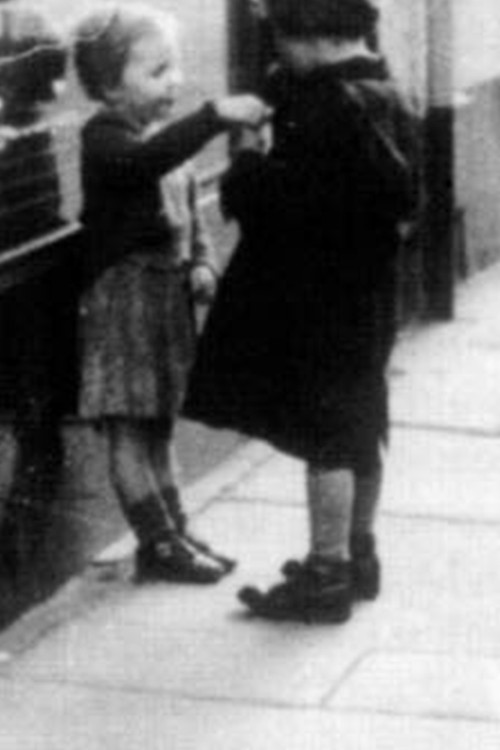
*On the Mountain* is a short film that revisits Edinburgh's Rose Street, comparing its 1956 black-and-white version with a 1974 color remake. Director Margaret Tait crafts a visual meditation on urban change, preserving fleeting moments of daily life through a juxtaposition of past and present.
Who directed On the Mountain?
On the Mountain was directed by Margaret Tait, a pioneering Scottish filmmaker known for her experimental and poetic approach to cinema.
Who stars in On the Mountain?
Cast details for On the Mountain are not listed in public records, as the film focuses on the street itself rather than individual performers.
Is On the Mountain (1973) worth watching?
While not widely known, *On the Mountain* is a fascinating artifact for fans of experimental and Scottish cinema. Its short runtime and thematic depth make it a rewarding watch for those interested in urban history and cinematic preservation.
How long is On the Mountain?
On the Mountain has a runtime of 35 minutes.
About On the Mountain (1973) — A Poetic Time-Lapse of Edinburgh's Rose Street
Margaret Tait's *On the Mountain (1973)* offers a poetic time-capsule of Edinburgh's Rose Street, revisiting a lost black-and-white short from 1956. Framed in vibrant color, Tait's documentary-like experiment captures the street's evolution by juxtaposing past and present, turning urban change into a meditative reflection on memory and transformation. The film lingers on everyday details—a dustcart, the architecture, the rhythm of the city—transforming the mundane into a visual poem. With its brooding camerawork and intimate framing, *On the Mountain* transcends mere documentation, becoming a quiet tribute to the passage of time and the stories embedded in a single thoroughfare.
A lesser-known gem from Tait's filmography, this short work blends documentary realism with lyrical storytelling, making it a standout in Scotland's cinematic heritage. Its concise runtime and evocative approach invite viewers to slow down and observe the subtle shifts in urban life, where every corner tells a story. Whether you're a fan of experimental film or curious about Edinburgh's history, this film offers a unique window into a place and its enduring spirit.