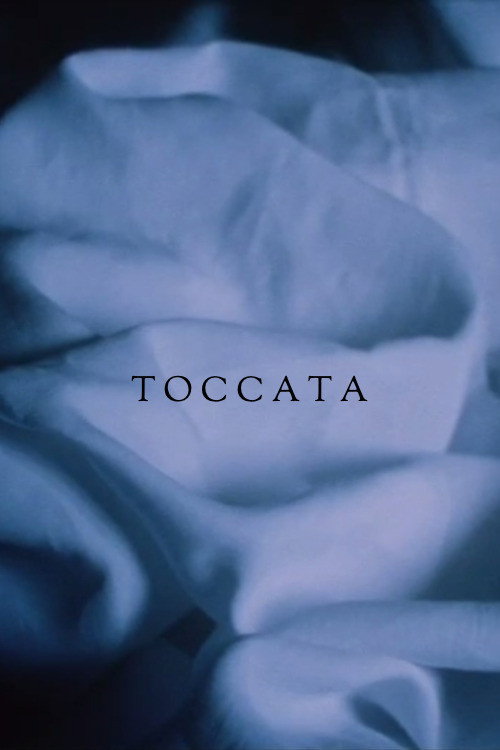
Toccata 2002
Hannes Schüpbach's *Toccata (2002)* is a mesmerizing 28-minute short film that explores the subtle interplay between perception and reality through a poetic lens.
Director: Hannes Schüpbach
Frequently Asked Questions
What is Toccata (2002) about?
*Toccata (2002)* follows a subtle exploration of how small interactions—like a brushstroke, a bell's chime, or a glance—can unlock deeper layers of perception. The film captures the rhythm of an Italian city, framing everyday moments as windows into something more profound, where space, time, and human presence intertwine.
Who directed Toccata?
Hannes Schüpbach directed *Toccata (2002)*. Known for his visually poetic approach, Schüpbach crafts films that blur the line between documentary and introspection.
Who stars in Toccata?
Cast details for *Toccata (2002)* are not listed, but the film features an array of Italian locals and passersby whose unscripted movements form its emotional core.
Is Toccata (2002) worth watching?
As a short experimental film, *Toccata (2002)* offers a unique, meditative experience best suited for viewers who appreciate art-house cinema. Its abstract approach and atmospheric visuals make it a standout in its niche, though its unconventional style may not appeal to everyone.
How long is Toccata?
*Toccata (2002)* runs for 28 minutes.
About Toccata (2002) — A Poetic Short Film of Touch and Time
Hannes Schüpbach's *Toccata (2002)* is a mesmerizing 28-minute short film that explores the subtle interplay between perception and reality through a poetic lens. Shot in Italy, the film captures the quiet rhythms of everyday life—a bustling city, the hum of traffic, the fleeting gestures of strangers—using a visual language that feels both intimate and expansive. Like a brushstroke on canvas or the first note of a piano composition, a single touch or glance triggers an internal ripple, revealing hidden layers of consciousness. The camera lingers on surfaces and spaces, transforming mundane encounters into fleeting moments of revelation, where time and movement blur into something deeply personal.
The result is a meditative experience that feels like both a sensory journey and a philosophical reflection. *Toccata (2002)* doesn't just show you a place; it invites you to feel its pulse, to sense the unspoken connections between people and their surroundings. With its dreamlike pacing and evocative imagery, the film lingers long after the credits roll, leaving viewers to ponder the quiet magic hidden in the ordinary.