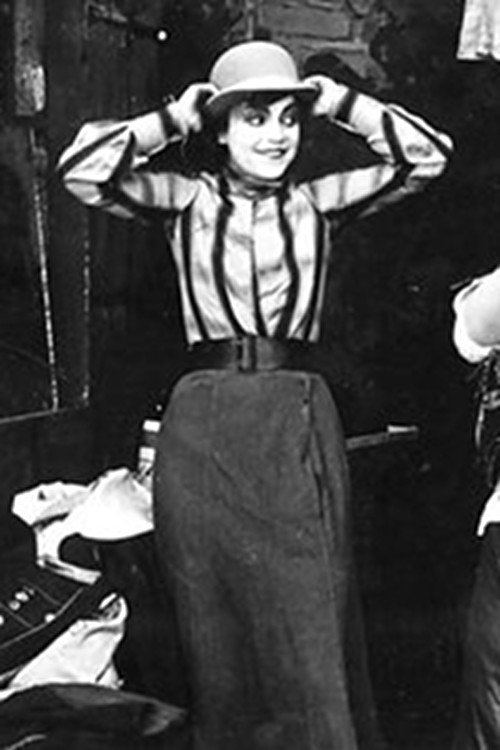
Gypsy Blood 1911
In the silent-era drama *Gypsy Blood (1911)*, directed by Urban Gad, Asta Nielsen delivers a powerhouse performance as Jonna, a woman whose life spirals from marital betrayal to desperation.
Director: Urban Gad
Cast


Frequently Asked Questions
What is Gypsy Blood (1911) about?
*Gypsy Blood (1911)* follows Jonna, a woman whose secret affair with the family chauffeur leads to divorce and a downward spiral into theft and poverty. Her redemption comes unexpectedly when her daughter intervenes, reigniting a path to reconciliation with her former husband. The film is a gripping tale of moral reckoning set against the stark realities of early 20th-century life.
Who directed Gypsy Blood?
Urban Gad directed *Gypsy Blood (1911)*, a silent-era drama that showcased his talent for emotionally charged storytelling.
Who stars in Gypsy Blood?
The cast of *Gypsy Blood (1911)* includes Asta Nielsen as Jonna, Leo Peukert as her ex-husband, and Georg Schrader as the chauffeur.
Is Gypsy Blood (1911) worth watching?
Though silent-era films lack modern dialogue, *Gypsy Blood (1911)* remains compelling for its dramatic intensity and Nielsen's magnetic performance. Fans of early cinema or moral-driven narratives may find it a fascinating, albeit somber, watch. Its historical significance adds depth to its value as a classic film.
How long is Gypsy Blood?
Gypsy Blood (1911) has a runtime of 42 minutes.
About Gypsy Blood (1911) — A Silent-Era Drama of Betrayal and Redemption
In the silent-era drama *Gypsy Blood (1911)*, directed by Urban Gad, Asta Nielsen delivers a powerhouse performance as Jonna, a woman whose life spirals from marital betrayal to desperation. After her husband uncovers her affair with their chauffeur, Jonna faces divorce and the harsh realities of theft and poverty. The film explores themes of redemption and second chances, all wrapped in the gritty, unflinching atmosphere of early 20th-century European cinema. A lost gem of the silent film era, *Gypsy Blood* remains a poignant study of human frailty and the transformative power of a child's love.
Urban Gad's direction infuses the story with raw emotional intensity, while Nielsen's commanding presence anchors the narrative in both vulnerability and resilience. Though the film is now considered lost, its legacy endures as a snapshot of a bygone cinematic tradition, offering a glimpse into the storytelling techniques and moral complexities of silent-era dramas. For fans of classic film and those fascinated by the evolution of storytelling, *Gypsy Blood (1911)* is a haunting relic worth revisiting.