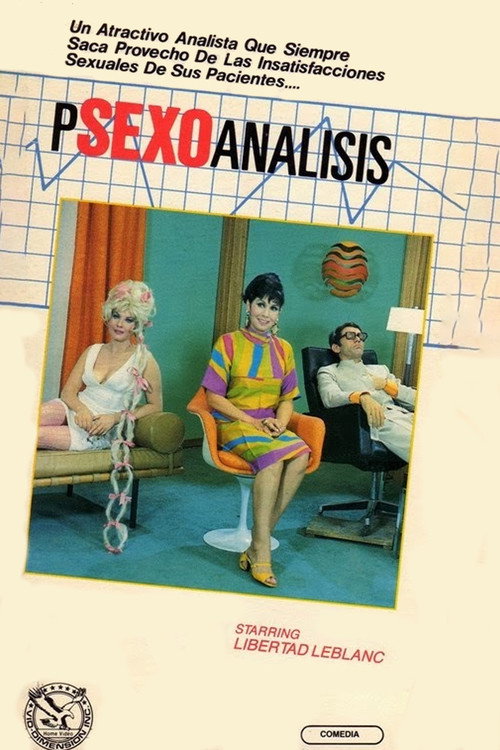
Psexoanálisis 1968
Psexoanálisis (1968), directed by Héctor Olivera, dives into a sharp-edged comedic satire where a smooth-talking opportunist masquerades as a psychoanalyst to exploit vulnerable women.
Director: Héctor Olivera
Cast






Frequently Asked Questions
What is Psexoanálisis (1968) about?
This Argentine comedy follows a con artist posing as a psychoanalyst to prey on women with unresolved emotional trauma, using charm and manipulation to win their trust. The story weaves deception with societal satire, reflecting the era's tensions between liberation and exploitation.
Who directed Psexoanálisis?
Psexoanálisis was directed by Héctor Olivera, a filmmaker known for blending social critique with genre storytelling in Argentine cinema during the 1960s and 70s.
Who stars in Psexoanálisis?
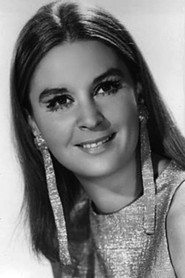
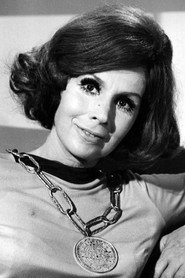
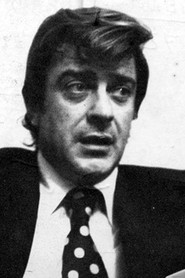
The film features Norman Briski as the lead, supported by Jorge Barreiro, Elsa Daniel, Libertad Leblanc, and Malvina Pastorino, delivering performances that balance wit and moral ambiguity.
Is Psexoanálisis (1968) worth watching?
Though unrated on IMDb, the film stands out as a clever, low-key comedy with thematic depth and a strong cast. Its satirical take on mid-century therapy culture and seduction makes it a curious watch for fans of offbeat Argentine cinema.
How long is Psexoanálisis?
Psexoanálisis runs for 83 minutes, offering a concise yet engaging runtime perfect for a quick cinematic escape.
About Psexoanálisis (1968) — Argentine comedy that skewers fake therapy and seduction
Psexoanálisis (1968), directed by Héctor Olivera, dives into a sharp-edged comedic satire where a smooth-talking opportunist masquerades as a psychoanalyst to exploit vulnerable women. Set against the backdrop of Argentina's late 1960s cultural shifts, the film blends dark humor with social commentary, exploring themes of deception, self-delusion, and the misuse of therapeutic authority.
With a runtime just over 80 minutes, the movie thrives on clever dialogue and eccentric performances, especially from Norman Briski, who brings a charismatic yet morally ambiguous energy to the lead role. The ensemble cast, including Jorge Barreiro and Elsa Daniel, rounds out a narrative that oscillates between farce and a touch of existential absurdity, making it a fascinating artifact of its era.