Escape 1991
Escape (1991), a three-minute experimental short film directed by Maeda Toshiyuki, captures a fleeting moment of urban exhilaration and isolation.
Director: Maeda Toshiyuki
Frequently Asked Questions
What is Escape (1991) about?
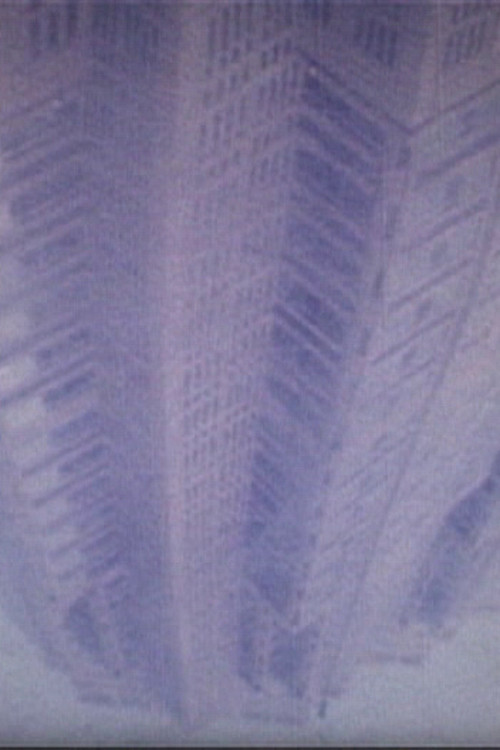
Escape (1991) is a brief experimental film that visualizes a woman running through a city of towering skyscrapers, exploring themes of urgency, freedom, and urban isolation. The short film uses dynamic cinematography and minimal dialogue to evoke a sense of fleeting movement and existential tension.
Who directed Escape?
Escape (1991) was directed by Maeda Toshiyuki, a filmmaker known for his experimental and visually driven approach to storytelling.
Who stars in Escape?
The main cast of Escape (1991) is not publicly listed, with the film focusing on atmosphere and visuals rather than credited performances.
Is Escape (1991) worth watching?
Though extremely short, Escape (1991) offers a hypnotic and visually engaging experience that fans of experimental cinema and urban-themed visual storytelling may appreciate. Its abstract nature and concise runtime make it a unique but niche viewing experience.
How long is Escape?
Escape (1991) has a runtime of approximately 3 minutes.
About Escape (1991) — A Minimalist Urban Sprint Captured in Three Minutes
Escape (1991), a three-minute experimental short film directed by Maeda Toshiyuki, captures a fleeting moment of urban exhilaration and isolation. The haiku-like narrative follows a lone woman darting through the towering concrete canyons of a modern city, her breathless sprint framed against the geometric shadows of skyscrapers. The film distills human urgency into minimalist visuals, blending the thrill of pursuit with an undercurrent of existential tension—suggesting both escape and entrapment within the rhythm of urban life. Maeda's precise framing and dynamic camerawork transform a simple run into a poetic meditation on speed, freedom, and the relentless pulse of modernity.
With no dialogue or elaborate plot, Escape relies entirely on visual storytelling and atmospheric tension to convey its themes. The stark architecture serves as both antagonist and stage, amplifying the protagonist's solitary journey while evoking themes of anonymity, urgency, and the search for meaning in a crowded world. A concise yet evocative work, Escape (1991) lingers in the mind long after its brief runtime.