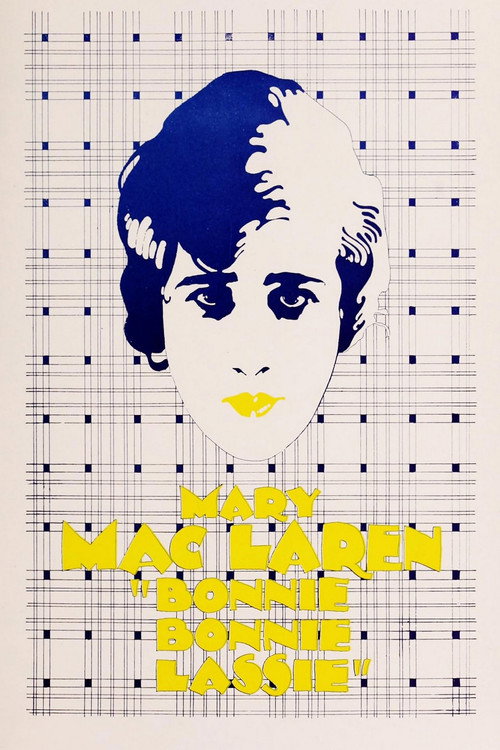
Bonnie, Bonnie Lassie 1919
Directed by silent-era master Tod Browning, *Bonnie, Bonnie Lassie* (1919) weaves a charming web of mistaken identities and romantic escapades set against the backdrop of early 20th-century America.
Director: Tod Browning
Cast




Frequently Asked Questions
What is Bonnie, Bonnie Lassie (1919) about?
The film centers on Alisa Graeme, a young Scottish woman who travels to America to meet an old friend of her grandfather's. Upon arriving, she becomes entangled in a series of romantic misadventures after an overzealous matchmaking attempt by a wealthy relative. Her journey takes an unexpected turn when she crosses paths with a free-spirited billboard painter.
Who directed Bonnie, Bonnie Lassie?
The film was directed by Tod Browning, a pioneering filmmaker known for his work in the silent era and later for classic horror films like *Dracula* (1931).
Who stars in Bonnie, Bonnie Lassie?
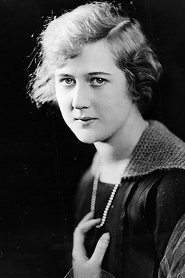
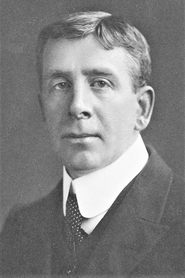
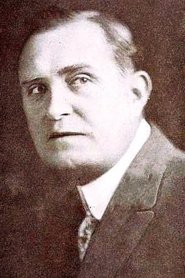
The cast features Mary MacLaren as Alisa Graeme, Spottiswoode Aitken as Jeremiah Wishart, David Butler as the reluctant groom, and Arthur Edmund Carewe as another suitor.
Is Bonnie, Bonnie Lassie (1919) worth watching?
As a silent-era comedy, *Bonnie, Bonnie Lassie* shines with its lighthearted storytelling and nostalgic charm. While it may lack the polish of later films, its playful plot and engaging performances make it a delightful watch for fans of early cinema. The 60-minute runtime keeps the pacing breezy and enjoyable.
How long is Bonnie, Bonnie Lassie?
The film runs for approximately 60 minutes.
About Bonnie, Bonnie Lassie (1919) — A 1919 Silent Comedy About Love and Unexpected Encounters
Directed by silent-era master Tod Browning, *Bonnie, Bonnie Lassie* (1919) weaves a charming web of mistaken identities and romantic escapades set against the backdrop of early 20th-century America. The story follows Alisa Graeme, a spirited young woman from Scotland who crosses the Atlantic to visit Jeremiah Wishart, a wealthy friend of her late grandfather. Unaware of her arrival, Jeremiah impulsively arranges a marriage between Alisa and his nephew David—only for the latter to flee rather than accept the match. Fleeing an equally unappealing alternative, Alisa soon finds herself drawn into an unexpected romance with a billboard painter, leading to a delightful twist in this lighthearted comedy. With its playful themes of chance encounters and defiance of tradition, the film captures the whimsy and unpredictability of love.
Browning's direction infuses the narrative with warmth and humor, while the cast—led by Mary MacLaren's endearing Alisa and Spottiswoode Aitken's eccentric Jeremiah—delivers performances brimming with charm. The movie's tone balances gentle satire with the innocence of early cinema, offering a nostalgic peek into a bygone era of storytelling.