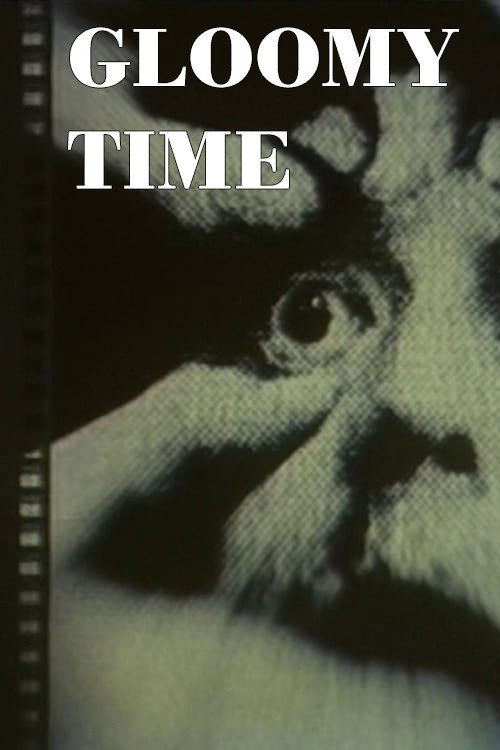
Gloomy Time 1994
Vladimir Kobrin's *Gloomy Time (1994)* captures the raw, unfiltered chill of Russian cinema's existential crisis a century after its birth.
Director: Vladimir Kobrin
Frequently Asked Questions
What is Gloomy Time (1994) about?
*Gloomy Time* documents the creeping despair of Russian cinema in the early 1990s, blending Kobrin's personal struggles with the collapse of traditional filmmaking. Filmed in his own home, the short captures the tension between fading artistic ideals and the harsh realities of survival in a shifting cultural landscape.
Who directed Gloomy Time?
Vladimir Kobrin directed *Gloomy Time (1994)*, creating a deeply personal work that reflects his own studio's struggles during the Russian cinema crisis.
Who stars in Gloomy Time?
Director information is not available.
Is Gloomy Time (1994) worth watching?
Though obscure, *Gloomy Time* offers a fascinating glimpse into a pivotal moment for Russian cinema. Its experimental style and themes of artistic decay make it compelling for fans of avant-garde or historical filmmaking, even if it's more niche than mainstream.
How long is Gloomy Time?
The runtime is 14 minutes.
About Gloomy Time (1994) — A raw snapshot of Soviet cinema's final gasp
Vladimir Kobrin's *Gloomy Time (1994)* captures the raw, unfiltered chill of Russian cinema's existential crisis a century after its birth. Shot in hypnotic time-lapse, the 14-minute short documentary feels like a fever dream of collapsing studios, cramped apartments doubling as editing suites, and families navigating penniless uncertainty. Kobrin turns his own life into a cinematic mirror—children, kitchen clatter, and the hum of computers merging into a visual symphony of creative decay. The film pulses with the tension of a medium grappling with irrelevance, blending personal chaos with the broader turmoil of post-Soviet artistic upheaval.
This isn't just a film about decline; it's a time capsule of defiance. Using his Moscow flat as a microcosm, Kobrin stitches together the mundane and the monumental—guests arriving, projects stalling, the clatter of a household morphing into a metaphor for cinema itself gasping for air. The result is a quietly devastating portrait of an era where old orders dissolve, and the future feels like a question mark scribbled in pencil.