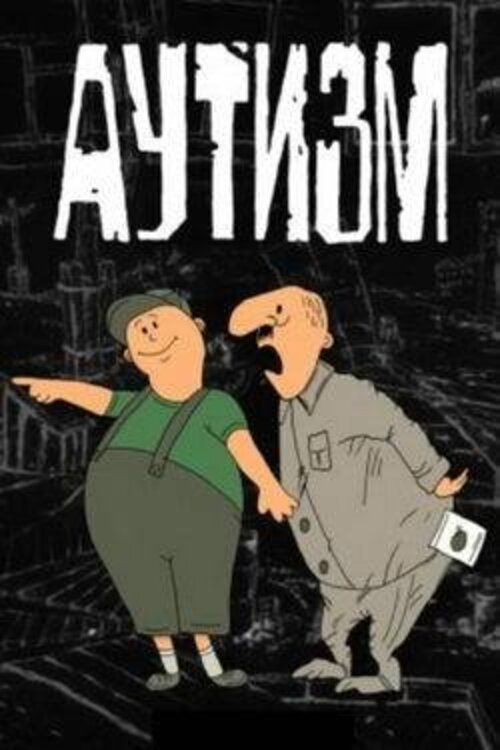
Autism 1992
In this stark 6-minute animated short from 1992, director Sergey Ainutdinov crafts a visually striking allegory that explores the tension between conformity and individuality.
Director: Sergey Ainutdinov
Frequently Asked Questions
What is Autism (1992) about?
The 1992 animated short follows an adult attempting to force a child into embracing their narrow, two-dimensional worldview. It's a visually striking exploration of control, perception, and the challenges of individuality.
Who directed Autism?
Sergey Ainutdinov is the director behind this experimental 1992 animated short, known for its ambitious narrative and minimalist style.
Who stars in Autism?
Cast details for *Autism (1992)* are not publicly listed.
Is Autism (1992) worth watching?
As an unrated 6-minute animated short, *Autism (1992)* offers a unique and thought-provoking experience for fans of experimental filmmaking. Its abstract themes and concise runtime make it a quick but impactful watch for those curious about early '90s animation.
How long is Autism?
The runtime of *Autism (1992)* is 6 minutes.
About Autism (1992) — A Stark Animated Allegory on Perspective and Conformity
In this stark 6-minute animated short from 1992, director Sergey Ainutdinov crafts a visually striking allegory that explores the tension between conformity and individuality. The film follows an adult figure who attempts to coerce a child into adopting their rigid, two-dimensional perspective—an ambitious metaphor for societal pressures and the challenges of neurodiversity. With its minimalist animation and thought-provoking narrative, *Autism (1992)* invites viewers to question the boundaries of perception and the cost of assimilation.
Set against a backdrop of stark contrasts and symbolic imagery, the short film delves into themes of control, perspective, and the struggle for self-expression. Ainutdinov's direction and the film's concise runtime create an intense, almost unsettling atmosphere, leaving audiences to ponder the deeper implications of the story long after the credits roll. Whether interpreted as a commentary on autism itself or a broader critique of rigid worldviews, the film remains a compelling watch for fans of experimental animation and philosophical storytelling.