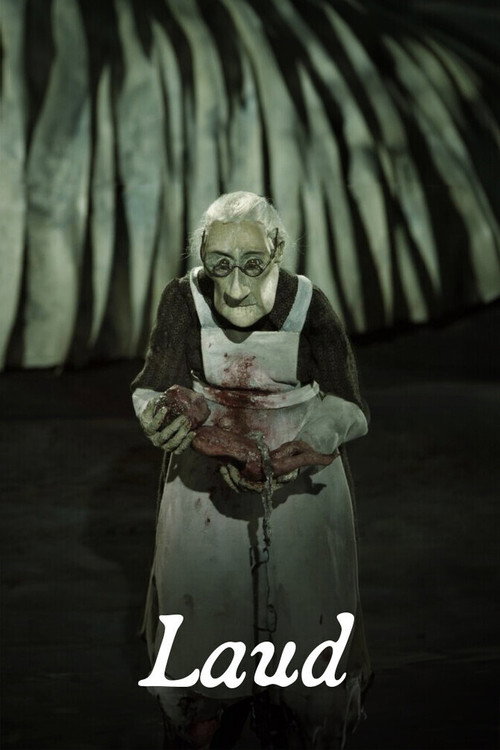
The Table 2004
A haunting and introspective animated short, *The Table* (2004), directed by Jelena Girlin, weaves a poignant tale of generational cycles and personal destiny.
Director: Jelena Girlin
Cast



Frequently Asked Questions
What is *The Table* (2004) about?
*The Table* follows Rita, the youngest daughter of a woman who has given birth multiple times with different men. Like her mother, Rita faces the looming reality of childbirth, raising questions about whether she can endure the pain—or if she'll succumb to the same inescapable cycle. It's a deeply personal story about legacy, choice, and the quiet resilience required to navigate life's hardest burdens.
Who directed *The Table*?
*The Table* (2004) was directed by Jelena Girlin, an Estonian filmmaker known for her evocative and thought-provoking animated works.
Who stars in *The Table*?
The film features Üllar Saaremäe, Merle Jääger, and Marius Peterson in its core cast.
Is *The Table* (2004) worth watching?
While limited by its short runtime, *The Table* (2004) stands out for its bold themes and striking animation. It may not be for everyone, but those drawn to introspective, character-driven stories will find it compelling. Its lack of IMDb rating doesn't diminish its emotional impact.
How long is *The Table*?
*The Table* (2004) has a runtime of 21 minutes.
About The Table (2004) — A 21-Minute Animated Masterpiece on Motherhood and Fate
A haunting and introspective animated short, *The Table* (2004), directed by Jelena Girlin, weaves a poignant tale of generational cycles and personal destiny. Through the lens of Rita, the youngest daughter of a woman who has borne many children, the film explores the weight of reproduction and the relentless burdens of life. Girlin's stark visual storytelling contrasts the beauty of new beginnings with the harsh realities of pain and resilience, capturing the raw emotional landscape of a family bound by shared struggles. The 21-minute runtime immerses viewers in a world where choice and fate collide, leaving audiences to ponder whether Rita can break free from her mother's shadow or the relentless demands of existence.
The film's atmosphere is one of quiet desperation, blending animation's dreamlike quality with a stark, almost documentary-like honesty. It's a meditation on motherhood, identity, and the cyclical nature of suffering, all rendered in a style that feels both intimate and universal. *The Table* (2004) isn't just a story—it's an experience that lingers, challenging viewers to reflect on their own place in the grand, often painful tapestry of life.