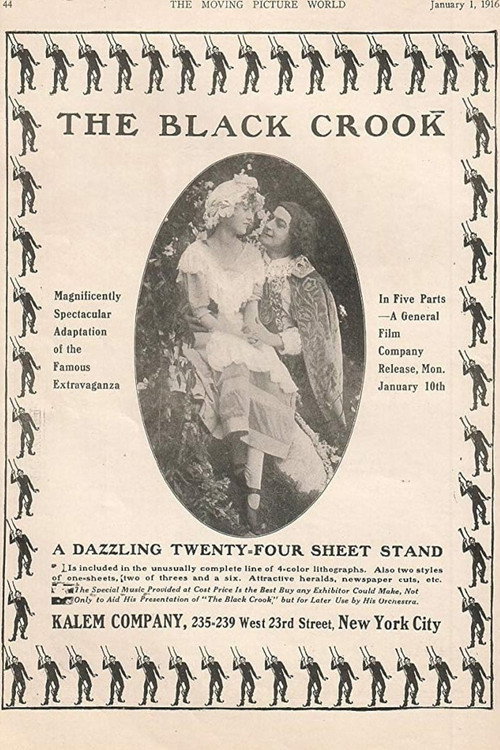
The Black Crook 1916
"A spectacular Picturization that will surpass the fame of the Memorable Stage Production, in Five Reels."
Robert G. Vignola's silent-era fantasy *The Black Crook (1916)* weaves a dark, Faustian bargain into early cinema's visual storytelling fabric.
Director: Robert G. Vignola
Cast
Frequently Asked Questions
What is The Black Crook (1916) about?
*The Black Crook (1916)* follows a wealthy count who trades souls for extended life, only to face a poetic reckoning when an artist he wrongs seeks justice with supernatural aid. The film blends moral drama with fantasy, as Rodolphe, the wronged artist, teams up with the Fairy Queen to challenge the count's unholy pact.
Who directed The Black Crook?
The film was directed by Robert G. Vignola, a filmmaker known for his work in early silent cinema.
Who stars in The Black Crook?
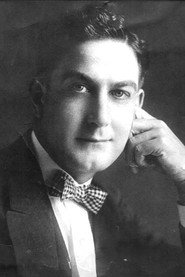
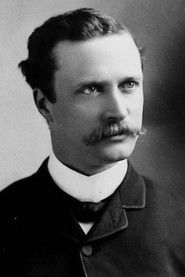
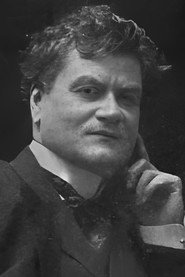
The cast includes Roland Bottomley as Rodolphe, Gladys Coburn as the Fairy Queen, and Charles De Forrest as the Count, among others.
Is The Black Crook (1916) worth watching?
*The Black Crook (1916)* offers a fascinating glimpse into silent-era fantasy storytelling, though its pacing and themes may feel dated to modern viewers. Fans of early cinema or gothic morality tales will likely appreciate its atmospheric charm and historical significance.
How long is The Black Crook?
The runtime for *The Black Crook (1916)* is approximately 50 minutes.
About The Black Crook (1916) — Faustian bargain meets silent-era fantasy in Robert G. Vignola's classic
Robert G. Vignola's silent-era fantasy *The Black Crook (1916)* weaves a dark, Faustian bargain into early cinema's visual storytelling fabric. Set against a lavish turn-of-the-century aesthetic, the film follows a wealthy count who strikes a sinister pact with the Devil: every soul he surrenders to darkness buys him an extra year of life. But when a tormented artist named Rodolphe becomes the count's latest victim, passion and vengeance ignite a supernatural showdown. With the radiant Fairy Queen as his ally, Rodolphe embarks on a mission to dismantle the count's cruel dominion, blending morality, desire, and otherworldly intrigue in a tale that feels both timeless and distinctly cinematic.
This 50-minute silent drama, steeped in fantasy and tinged with gothic tension, showcases the era's penchant for dramatic spectacle. Vignola's direction balances opulence with emotional depth, while the cast—led by Roland Bottomley as Rodolphe and Gladys Coburn as the Fairy Queen—brings gravitas to the moral and supernatural stakes. The result is a narrative that lingers like a half-remembered dream, where love and retribution collide under the shadow of the Devil's bargain.