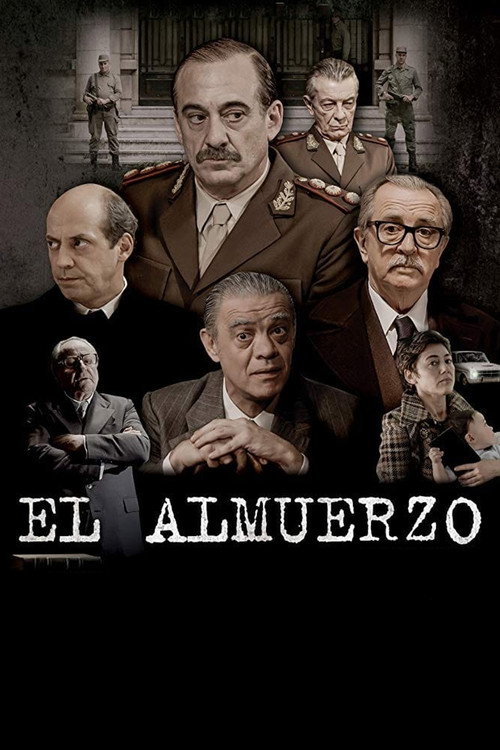
El almuerzo 2015
El almuerzo (2015) dives into a chilling chapter of Argentine history, weaving fiction around a real-life luncheon hosted by dictator Jorge Rafael Videla in 1976.
Director: Javier Torre
Cast



Frequently Asked Questions
What is El almuerzo (2015) about?
El almuerzo recreates a real 1976 luncheon hosted by Argentina's military dictator, Jorge Rafael Videla, attended by prominent writers and intellectuals. The film explores the moral tensions of the era, set against the backdrop of a writer's recent abduction by the regime.
Who directed El almuerzo?
Javier Torre directed El almuerzo, bringing a stark and deliberate style to this historical drama.
Who stars in El almuerzo?
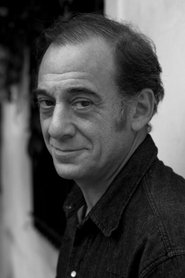
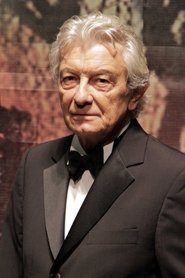
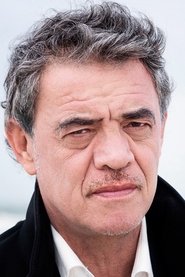
The film features Alejandro Awada, Pompeyo Audivert, Arturo Bonín, Roberto Carnaghi, and Jean Pierre Noher in its ensemble cast.
Is El almuerzo (2015) worth watching?
El almuerzo offers a gripping, if unsettling, look at a pivotal moment in Argentine history. While it's not a crowd-pleaser, its themes of complicity and silence resonate powerfully, and its tight 85-minute runtime keeps the tension sharp throughout.
How long is El almuerzo?
El almuerzo runs for 85 minutes.
About El almuerzo (2015) — The Chilling Lunch That Echoed Argentina's Dark Era
El almuerzo (2015) dives into a chilling chapter of Argentine history, weaving fiction around a real-life luncheon hosted by dictator Jorge Rafael Videla in 1976. Directed by Javier Torre, the film follows a gathering of cultural figures—including Jorge Luis Borges and Ernesto Sábato—who dine with military leaders just weeks after writer Haroldo Conti was abducted by the regime. Through stark dialogue and oppressive atmosphere, the movie explores themes of complicity, silence, and the moral dilemmas faced by intellectuals under oppression. The tension simmers beneath every course, revealing how power and art intersect in a nation torn apart by dictatorship.
With a cast led by Alejandro Awada, Pompeyo Audivert, and Arturo Bonín, El almuerzo confronts the unspoken compromises of collaboration. Torre's restrained direction frames the luncheon as a microcosm of Argentina's darkest years, where every word and gesture carries weight. The film's quiet intensity lingers long after the plates are cleared, making it a haunting meditation on history, responsibility, and the choices that define eras.