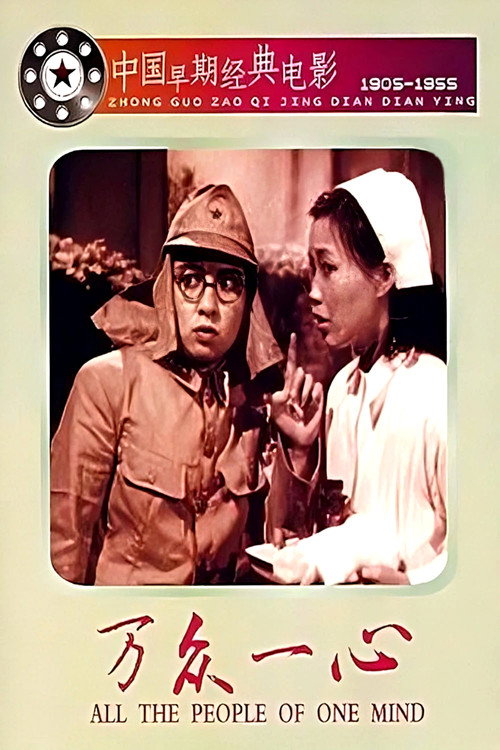
万众一心 1948
万众一心 (1948) stands as a fascinating relic of early Chinese cinema, capturing the spirit of unity during a pivotal historical moment.
Frequently Asked Questions
What is 万众一心 (1948) about?
万众一心 (1948) explores the unbreakable bond of a community facing monumental challenges together. Through personal sacrifices and shared triumphs, the film paints a vivid portrait of solidarity in an era of uncertainty. Its narrative likely intertwines everyday struggles with the broader fight for collective survival.
Who directed 万众一心?
Director information is not available.
Who stars in 万众一心?
The main cast remains uncredited, preserving the film's focus solely on its powerful themes rather than individual performances.
Is 万众一心 (1948) worth watching?
Though unrated on IMDb, 万众一心 (1948) offers invaluable historical insight into early Chinese cinema and the cultural zeitgeist of its time. For film historians and enthusiasts, its rarity and thematic depth make it a compelling watch—if you can track it down.
How long is 万众一心?
Runtime details are not listed.
About 万众一心 (1948) — A Timeless Tale of Unity in Post-War China
万众一心 (1948) stands as a fascinating relic of early Chinese cinema, capturing the spirit of unity during a pivotal historical moment. This black-and-white film, cloaked in the understated elegance of post-war storytelling, reflects the collective resilience of a nation rebuilding itself. While details about its director and cast remain shrouded in mystery, the movie's themes of solidarity and perseverance resonate powerfully even decades later. The atmosphere is one of quiet determination, where every frame feels like a tribute to the unyielding human spirit in the face of adversity.
万众一心 (1948) isn't just a film—it's a cinematic time capsule, offering a glimpse into the cultural and emotional climate of its era. The narrative likely weaves personal struggles with broader societal challenges, creating a tapestry of hope and collective struggle. Though its runtime and genre specifics are lost to time, the film's legacy endures in its title alone: *万众一心*, or "All Hearts as One," a phrase that encapsulates both its message and its enduring appeal.