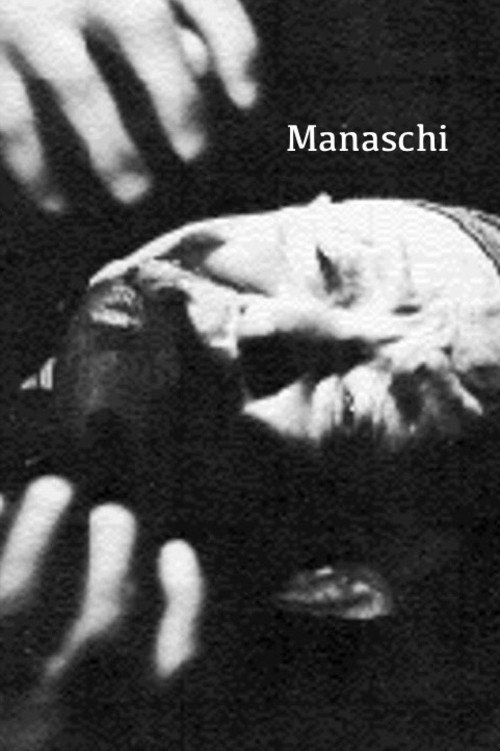
The Manas 1965
In "The Manas (1965)", Soviet-Kyrgyz director Bolotbek Shamshiyev crafts a touching cinematic portrait of Saiakbai Karalaev, one of the final keepers of the legendary Kyrgyz national epic, *Manas*.
Director: Bolotbek Shamshiyev
Frequently Asked Questions
What is The Manas (1965) about?
*The Manas* introduces Saiakbai Karalaev, one of the last bards to perform the epic poem *Manas*, a cornerstone of Kyrgyz folklore. The documentary follows his role in preserving and reciting this centuries-old narrative, blending cultural heritage with personal storytelling.
Who directed The Manas?
The film was directed by Bolotbek Shamshiyev, a pioneering figure in Kyrgyz cinema known for his documentary work.
Who stars in The Manas?
Lead roles include Saiakbai Karalaev as himself, with supporting appearances by local narrators and cultural historians from Kyrgyzstan's folklore community.
Is The Manas (1965) worth watching?
While not a commercial blockbuster, *The Manas* is a fascinating short documentary for those interested in folklore or Soviet-era ethnographic films. Its historical and cultural value outweighs its minimal runtime, offering a unique perspective on Kyrgyz identity.
How long is The Manas?
The runtime is 20 minutes.
About The Manas (1965) — A Brief but Powerful Glimpse into Kyrgyzstan's Epic Tradition
In "The Manas (1965)", Soviet-Kyrgyz director Bolotbek Shamshiyev crafts a touching cinematic portrait of Saiakbai Karalaev, one of the final keepers of the legendary Kyrgyz national epic, *Manas*. This 20-minute documentary immerses viewers in the rich oral tradition of Central Asia as Karalaev's voice carries centuries of history, heroism, and cultural identity. The film's black-and-white visuals and intimate storytelling evoke a sense of nostalgia, framing Karalaev not just as a storyteller but as a living link to Kyrgyz heritage. Through subtle cinematography and reverent pacing, Shamshiyev transforms a simple documentary into a celebration of linguistic artistry and national pride.
For cinephiles and cultural historians alike, *The Manas* offers a rare glimpse into a fading tradition, blending folklore with personal legacy. The documentary's concise runtime belies its depth, making it a compelling watch for those interested in indigenous epics and their preservation. Whether you're drawn to the film's historical significance or its mesmerizing storytelling, *The Manas (1965)* stands as a testament to the power of oral tradition in the digital age.