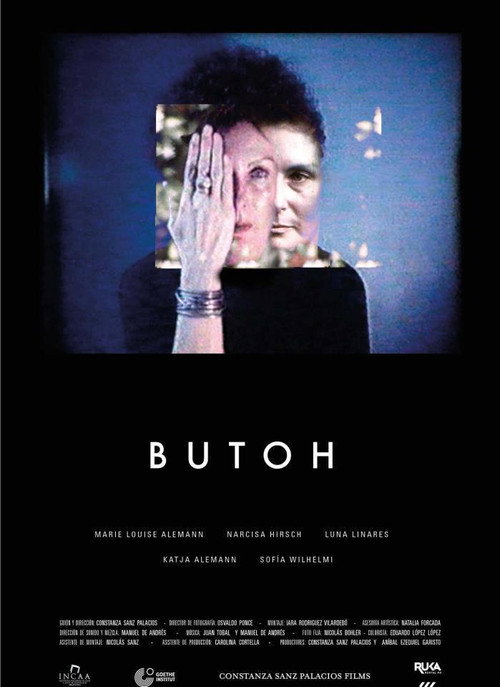
Butoh 2013
Dive into the enigmatic world of *Butoh* (2013), a film that explores the raw, visceral beauty of movement and stillness through the lens of this avant-garde Japanese dance form.
Director: Constanza Sanz Palacios
Cast


Frequently Asked Questions
What is Butoh (2013) about?
*Butoh* (2013) is an art-house film that delves into the mysterious world of Butoh, a Japanese avant-garde dance form known for its slow, deliberate movements and emotional intensity. The movie uses the dance as a metaphor for existential themes, using the performers' bodies to convey stories of struggle, beauty, and human connection without a single word.
Who directed Butoh?
Director information is not available.
Who stars in Butoh?
The film features standout performances by Marie Louise Alemann, Luna Linares, and Narcisa Hirsch, alongside Katja Alemann and Sofía Wilhelmi.
Is Butoh (2013) worth watching?
*Butoh* (2013) is a niche but mesmerizing experience for fans of experimental cinema and dance. Its meditative pace and striking visuals make it a unique entry in the genre, though its abstract nature may not appeal to all viewers. If you're drawn to unconventional storytelling, it's absolutely worth seeking out.
How long is Butoh?
Runtime details are not listed.
About Butoh (2013) — A hypnotic cinematic journey into the heart of avant-garde dance
Dive into the enigmatic world of *Butoh* (2013), a film that explores the raw, visceral beauty of movement and stillness through the lens of this avant-garde Japanese dance form. Directed by Constanza Sanz Palacios, the film weaves together haunting performances by Marie Louise Alemann, Luna Linares, and Narcisa Hirsch, each embodying the discipline's eerie grace and emotional depth. With a stark, atmospheric tone, *Butoh* strips away dialogue to focus on the body's language, revealing themes of existential reflection, cultural identity, and the fragility of human expression. The film's minimalist aesthetic and hypnotic rhythm create an immersive experience that lingers long after the final frame.
As a cinematic homage to Butoh's origins and its global evolution, the movie captures the dance's duality—both grotesque and sublime. Palacios' vision transforms the screen into a meditative space where movement becomes a metaphor for life's unspoken struggles and fleeting moments of transcendence. Whether you're a dance enthusiast or a curious cinephile, *Butoh* (2013) offers a profound, visually striking journey into the power of silence and the body's unfiltered storytelling.