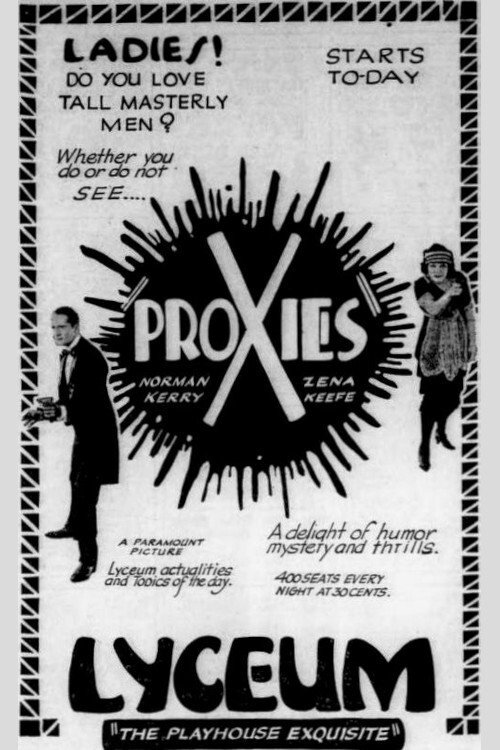
Proxies 1921
Step into the silent-era drama *Proxies (1921)*, directed by George D. Baker, where a woman's engagement takes an unexpected turn when she finds herself drawn to a dashing butler over her intended fiancé.
Director: George D. Baker
Cast
Frequently Asked Questions
What is Proxies (1921) about?
*Proxies (1921)* follows Carlotta Darley, a woman engaged to Homer Carleton, as her heart unexpectedly shifts toward Peter, the household butler. Torn between societal expectations and her own desires, Carlotta's dilemma unfolds in a quiet yet compelling drama set in the early 1900s.
Who directed Proxies?
George D. Baker directed *Proxies (1921)*.
Who stars in Proxies?
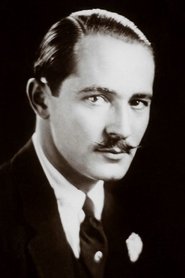
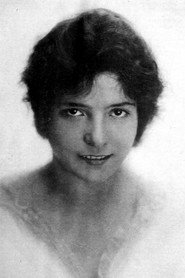
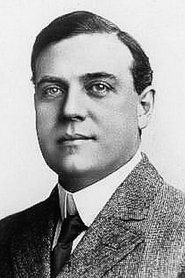
The film stars Norman Kerry as Peter the butler, Zena Keefe in a supporting role, Raye Dean as Carlotta Darley, Jack Crosby as Homer Carleton, and Paul Everton and William H. Tooker in key supporting parts.
Is Proxies (1921) worth watching?
As a silent-era drama, *Proxies (1921)* offers a fascinating glimpse into pre-sound cinema, though its unrated status and limited availability may make it a niche interest. Fans of early 20th-century romance and class-driven storytelling might find its themes and atmosphere intriguing.
How long is Proxies?
The runtime of *Proxies (1921)* is 70 minutes.
About Proxies (1921) — When a Woman's Heart Chooses a Butler Over Her Fiancé
Step into the silent-era drama *Proxies (1921)*, directed by George D. Baker, where a woman's engagement takes an unexpected turn when she finds herself drawn to a dashing butler over her intended fiancé. Set against the backdrop of early 20th-century societal expectations, this 70-minute film explores themes of desire, class, and the often-blurred lines between attraction and obligation. With a tone that blends intrigue and emotional depth, *Proxies* weaves a tale of love triangles and unspoken longings, wrapped in the visual storytelling of the silent film era.
Norman Kerry shines as the enigmatic butler Peter, whose presence disrupts the planned future of Carlotta Darley (Raye Dean), played opposite Homer Carleton (Jack Crosby). As Carlotta grapples with her conflicting emotions, the film captures a moment in cinematic history where subtlety and suggestion reigned supreme, leaving audiences to read between the lines of every glance and gesture.