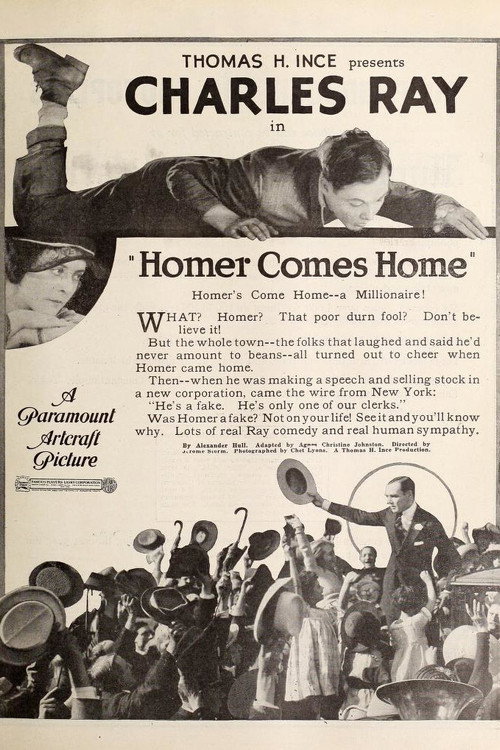
Homer Comes Home 1920
Homer Comes Home (1920) tells the story of Homer Cavender, a small-town dreamer who leaves Mainsville for the bright lights of the city in pursuit of fame and fortune. After two disappointing years of clerking without success, Homer returns home for a much-needed break.
Director: Jerome Storm
Cast
Frequently Asked Questions
What is Homer Comes Home (1920) about?
The film follows Homer Cavender, who travels from his hometown to the city seeking success but returns empty-handed. His impressive new clothes convince locals he's prosperous, leading him to perpetuate the illusion while dealing with romantic competition and a business scheme.
Who directed Homer Comes Home?
Jerome Storm directed this 1920 silent comedy-drama, bringing his experience in early American cinema to capture small-town life and human foibles.
Who stars in Homer Comes Home?
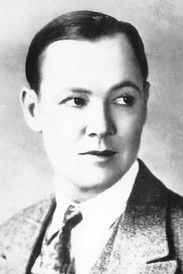
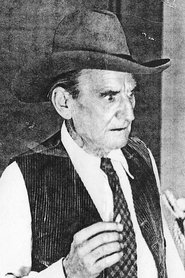
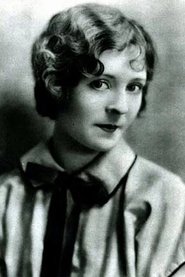
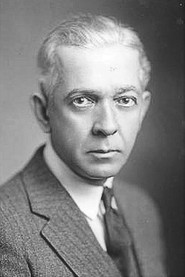
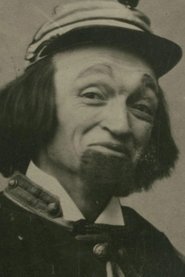
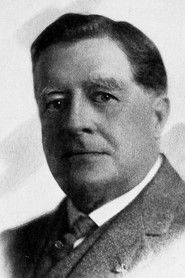
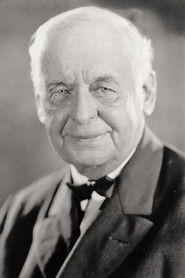
The film features Charles Ray as Homer Cavender, with supporting performances from Otto Hoffman, Priscilla Bonner, John Elliott, Gus Leonard, and Joseph Hazelton.
Is Homer Comes Home (1920) worth watching?
As an unrated silent film from cinema's early decades, it offers historical value for enthusiasts of classic American filmmaking. The comedy-drama blend provides insight into 1920s social dynamics and small-town life.
How long is Homer Comes Home?
The runtime is 50 minutes.
Homer Comes Home (1920): Silent Era Comedy About Dreams and Deception
Homer Comes Home (1920) tells the story of Homer Cavender, a small-town dreamer who leaves Mainsville for the bright lights of the city in pursuit of fame and fortune. After two disappointing years of clerking without success, Homer returns home for a much-needed break. His flashy new wardrobe convinces the local townspeople that he's made it big, and he decides to maintain the charade rather than disappoint them. Director Jerome Storm crafts a gentle comedy-drama that explores themes of ambition, small-town dynamics, and the gap between appearance and reality.
This silent-era gem features Charles Ray in the lead role alongside Otto Hoffman, Priscilla Bonner, and supporting players John Elliott, Gus Leonard, and Joseph Hazelton. The film captures the authentic atmosphere of early 20th-century rural America while delivering timeless humor about human nature and social pretenses. As Homer navigates romantic rivalries and business schemes involving Kort and Bailly's proposed plant, viewers experience both the charm and limitations of life in a simpler era.