Trois études 1987
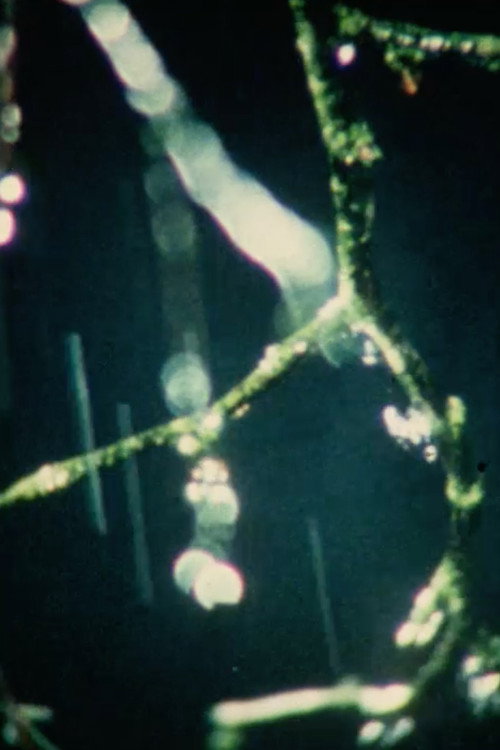
In *Trois études* (1987), director Jean-Pierre Valladeau crafts a hypnotic experimental short that weaves together rain-soaked streets, crumbling ruins, and an eerie mausoleum into a rhythmic visual poem.
Director: Jean-Pierre Valladeau
Frequently Asked Questions
What is *Trois études* (1987) about?
*Trois études* is a seven-minute experimental short that explores themes of decay and transience through three distinct visual sequences. The film juxtaposes rain, ruins, and a mausoleum, using rhythmic editing to create a meditative experience rather than a traditional narrative.
Who directed *Trois études*?
*Trois études* was directed by Jean-Pierre Valladeau, a filmmaker known for his experimental visual style and atmospheric storytelling.
Who stars in *Trois études*?
Cast details for *Trois études* are not publicly listed.
Is *Trois études* (1987) worth watching?
*Trois études* (1987) is a niche experimental film best suited for fans of avant-garde cinema. While it lacks a conventional plot, its striking visuals and rhythmic structure make it a compelling watch for those interested in artistic short films.
How long is *Trois études*?
*Trois études* runs for 7 minutes.
About Trois études (1987) — Experimental Short Film by Jean-Pierre Valladeau
In *Trois études* (1987), director Jean-Pierre Valladeau crafts a hypnotic experimental short that weaves together rain-soaked streets, crumbling ruins, and an eerie mausoleum into a rhythmic visual poem. The film unfolds as a triptych, where the cadence of each shot mirrors the emotional pulse of the scene—blurring the line between reality and abstraction. Shot in stark black-and-white, the cinematography amplifies the haunting atmosphere, inviting viewers into a dreamlike meditation on time, decay, and the fleeting nature of existence.
Though brief at just seven minutes, *Trois études* (1987) packs a profound punch, leaving a lingering impression of melancholy and introspection. Valladeau's experimental approach eschews conventional narrative, instead relying on the interplay of light, shadow, and movement to evoke mood and meaning. For fans of avant-garde cinema, this short film offers a captivating glimpse into the director's bold visual language.