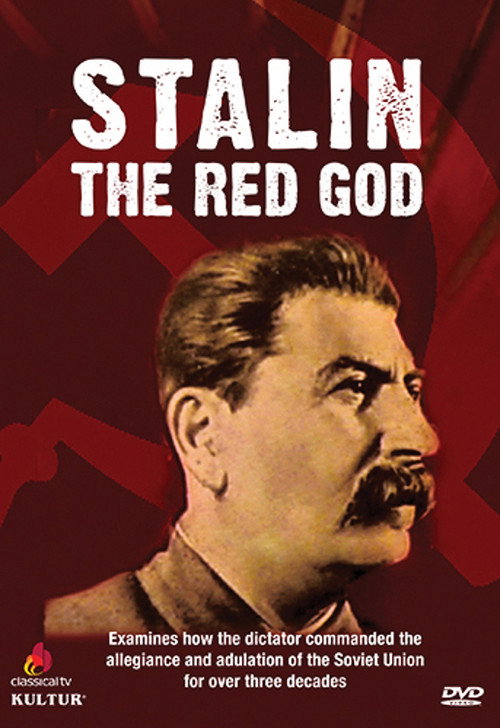
Stalin: The Red God 2001
Frederick Baker's *Stalin: The Red God (2001)* plunges deep into the paradox of power and propaganda, exploring how Joseph Stalin transformed from a ruthless dictator into a near-mythical figure revered by millions across the Soviet Union.
Director: Frederick Baker
Frequently Asked Questions
What is Stalin: The Red God (2001) about?
This gripping documentary examines how Joseph Stalin, one of history's most brutal dictators, cultivated a near-religious following across the Soviet Union. Through rare footage and interviews, the film traces the rise of his cult and its lasting impact on Russian culture and politics.
Who directed Stalin: The Red God?
Frederick Baker helmed this documentary, bringing a filmmaker's eye to the complex legacy of Stalin's reign.
Who stars in Stalin: The Red God?
Director Frederick Baker leads this project, while eyewitness accounts and historical figures—both supporters and critics—provide firsthand perspectives on Stalin's influence.
Is Stalin: The Red God (2001) worth watching?
As a documentary that blends historical depth with cinematic storytelling, *Stalin: The Red God* offers a compelling, if unsettling, exploration of power and propaganda. Its focus on original locations and rare archives makes it a standout for history enthusiasts.
How long is Stalin: The Red God?
The documentary runs for 61 minutes, delivering a concise yet impactful examination of Stalin's cult.
About Stalin: The Red God (2001) — A chilling dive into Stalin's cult of personality and enduring myth
Frederick Baker's *Stalin: The Red God (2001)* plunges deep into the paradox of power and propaganda, exploring how Joseph Stalin transformed from a ruthless dictator into a near-mythical figure revered by millions across the Soviet Union. Filmed on location in Georgia and Russia, the documentary weaves together haunting archive footage, firsthand testimonies, and striking recreations in the very places where Stalin's legacy was forged. The film dissects the machinery of his cult—how propaganda, art, and fear sustained his rule—and examines how echoes of his influence persist in modern society.
Baker's meticulous approach balances historical rigor with cinematic tension, revealing Stalin not just as a tyrant but as a phenomenon shaped by geography, ideology, and the unshakable devotion of his followers. Archival gems and overlooked cultural artifacts paint a vivid portrait of a man whose shadow still looms over post-Soviet landscapes, making this a chilling yet essential look at the dark allure of absolute power.