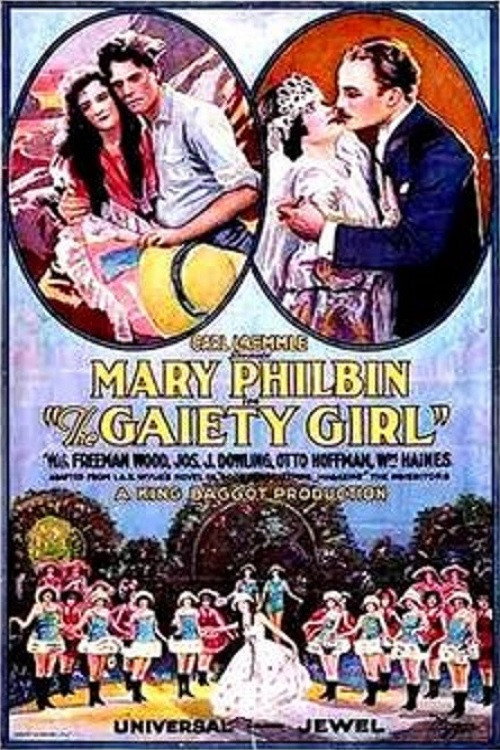
The Gaiety Girl 1924
Step into the glittering yet bittersweet world of 1924 with *The Gaiety Girl*, a silent-era drama-romance directed by the versatile King Baggot.
Director: King Baggot
Cast

Frequently Asked Questions
What is The Gaiety Girl (1924) about?
The film centers on Irene Tudor, who flees her ancestral home and finds refuge on the stage at London's Gaiety Theatre. While she waits for her lover Owen to return from Africa, a wealthy family takes over her castle, creating a poignant backdrop for romance and redemption.
Who directed The Gaiety Girl?
The Gaiety Girl was directed by King Baggot, a prolific filmmaker known for his work in the silent era.
Who stars in The Gaiety Girl?
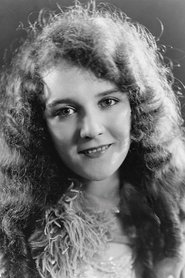
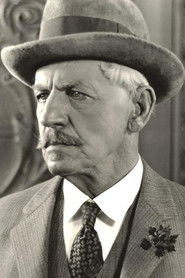
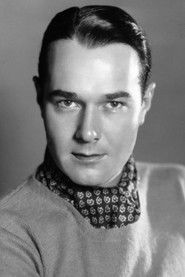
The film features Mary Philbin, Joseph J. Dowling, William Haines, James O. Barrows, and DeWitt Jennings in key roles.
Is The Gaiety Girl (1924) worth watching?
Though unrated on IMDb, *The Gaiety Girl* offers a fascinating snapshot of 1920s silent cinema, blending romance and drama with expressive performances. Fans of period pieces and classic film history may find it a charming discovery.
How long is The Gaiety Girl?
The Gaiety Girl runs for 80 minutes, making it a concise and engaging silent-era feature.
About The Gaiety Girl (1924) — A Silent-Era Romance of Love, Loss, and the Stage
Step into the glittering yet bittersweet world of 1924 with *The Gaiety Girl*, a silent-era drama-romance directed by the versatile King Baggot. Set against the backdrop of London's theatrical scene, the film follows Irene Tudor—played with heartfelt charm by Mary Philbin—as she navigates love, loss, and longing. Forced to leave behind her ancestral castle, Irene finds solace and purpose in the Gaiety Theatre, where she awaits the return of Owen, her love who has journeyed to Africa. Meanwhile, a wealthy industrialist acquires the castle for his son, Kit, adding a layer of class tension to the story. With its rich themes of romance, sacrifice, and the fleeting nature of dreams, *The Gaiety Girl (1924)* captures a moment when silent film was at its most expressive, blending melodrama with a touch of old-world elegance.
The atmosphere is one of nostalgia and quiet intensity, as Baggot weaves together the personal struggles of his characters with the vibrant energy of the theater. Joseph J. Dowling delivers a standout performance as the patriarchal John Kershaw, while William Haines shines as the carefree Kit. Though rooted in its era, the film's emotional core transcends time, offering a glimpse into the glamour and hardships of early 20th-century entertainment.