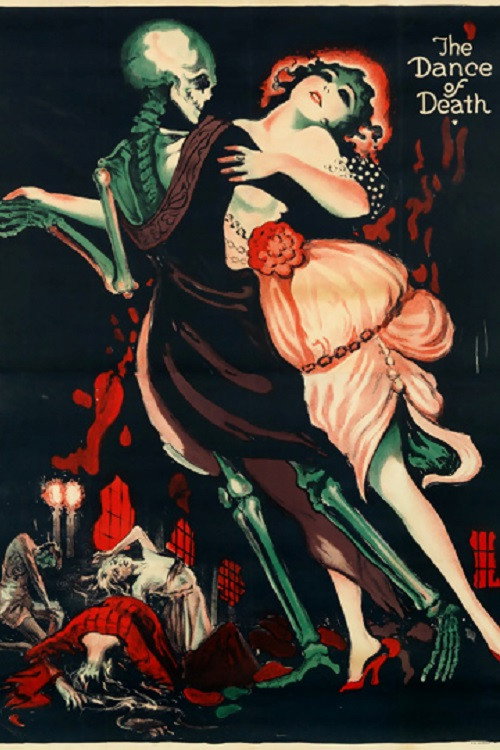
The Dance of Death 1919
Directed by Otto Rippert, *The Dance of Death (1919)* is a silent-era horror-drama that weaves a chilling tale of manipulation, obsession, and deadly consequences.
Director: Otto Rippert
Cast

Frequently Asked Questions
What is The Dance of Death (1919) about?
This silent-era horror-drama follows a captivating dancer whose charm is exploited by a malevolent, wheelchair-bound man to ensnare men in a deadly trap. When she falls for one of his intended victims—a man with a dark past—she's offered freedom if he survives a treacherous labyrinth hidden beneath the villain's estate.
Who directed The Dance of Death?
Otto Rippert directed *The Dance of Death (1919)*, a silent horror-drama known for its atmospheric tension and early expressionist style.
Who stars in The Dance of Death?
The film features Werner Krauss as the manipulative cripple, Sascha Gura as the doomed dancer, and Fred Goebel, Karl Bernhard, and Arnold Czempin in supporting roles.
Is The Dance of Death (1919) worth watching?
While it lacks modern pacing, *The Dance of Death (1919)* offers a fascinating look at early horror cinema with strong performances, particularly from Krauss. Its gothic ambiance and moral complexity make it a compelling watch for silent film enthusiasts.
How long is The Dance of Death?
The movie has a runtime of 84 minutes.
About The Dance of Death (1919) — A Silent Horror-Drama of Love, Betrayal, and Deadly Games
Directed by Otto Rippert, *The Dance of Death (1919)* is a silent-era horror-drama that weaves a chilling tale of manipulation, obsession, and deadly consequences. Set against the backdrop of a shadowy mansion, the story follows a mesmerizing dancer whose beauty becomes a weapon in the hands of a sinister, wheelchair-bound antagonist. Lured into a web of deceit, she falls for her lover—a man trapped in a deadly game where survival hinges on navigating a labyrinth beneath the villain's home. The film blends gothic atmosphere with psychological tension, exploring themes of control, sacrifice, and the blurred line between victim and perpetrator.
Werner Krauss delivers a commanding performance as the crippled manipulator, while Sascha Gura shines as the dancer torn between desire and desperation. With its eerie visuals and moral ambiguity, *The Dance of Death (1919)* offers a haunting glimpse into early German expressionist cinema, where beauty and horror intertwine in a dance as old as time.