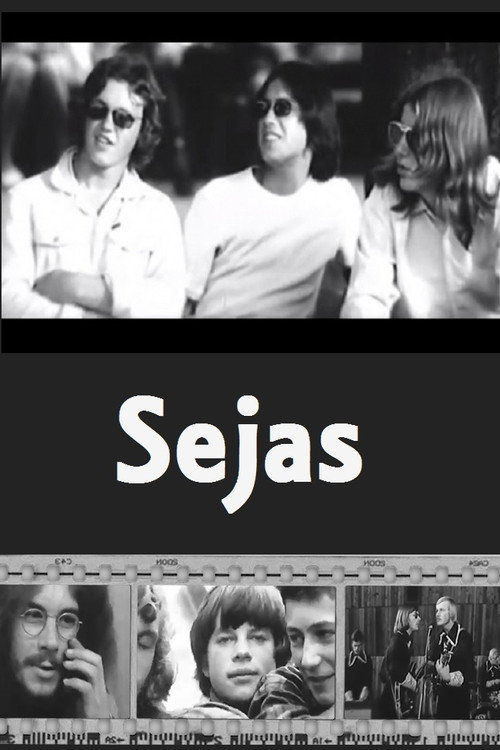
Faces 1971
Dive into *Faces (1971)*, a captivating documentary by Latvian filmmaker Imants Brils, as it immerses viewers in the vibrant world of youth counterculture during the late 1960s and early 1970s.
Director: Imants Brils
Frequently Asked Questions
What is Faces (1971) about?
This 21-minute documentary by Imants Brils explores the lives of young people in the 1970s, focusing on hippies and informal communities. Through observational cinema, it captures their search for identity, communal living, and the rebellious spirit of the era.
Who directed Faces?
Imants Brils directed *Faces*. Known for his sociological approach to filmmaking, Brils crafted this short documentary as a window into the youth culture of the time.
Who stars in Faces?
Cast details for *Faces* are not listed in public records.
Is Faces (1971) worth watching?
As a concise documentary, *Faces* offers a unique glimpse into 1970s counterculture, making it worth a watch for history buffs or fans of sociological cinema. Its short runtime and observational style provide depth without overwhelming viewers. While not a mainstream feature, its cultural significance shines through its authentic portrayal of youth movements.
How long is Faces?
*Faces* has a runtime of 21 minutes.
Faces (1971): A Sociological Glimpse into 1970s Youth Culture — Full Movie Info
Dive into *Faces (1971)*, a captivating documentary by Latvian filmmaker Imants Brils, as it immerses viewers in the vibrant world of youth counterculture during the late 1960s and early 1970s. This evocative short film serves as a sociological snapshot, capturing the essence of hippie communities and alternative lifestyles through intimate, observational storytelling. With a runtime of just 21 minutes, *Faces* strips away the glamour to reveal raw, unfiltered moments—whether it's the camaraderie of communal living, the search for identity, or the rebellious spirit of nonconformity. Brils' lens transforms ordinary faces into symbols of an era defined by freedom, experimentation, and a quest for meaning beyond societal norms.
As a historical artifact of its time, *Faces (1971)* resonates today as both a time capsule and a reminder of the enduring allure of youth rebellion. The film's black-and-white aesthetic lends it an air of nostalgia, while its focus on informal groups and their dynamics invites comparisons to other cinematic explorations of subcultures. Whether you're a student of sociology, a fan of 1970s cinema, or simply curious about the roots of modern counterculture, this documentary offers a concise yet powerful window into a transformative moment in history.