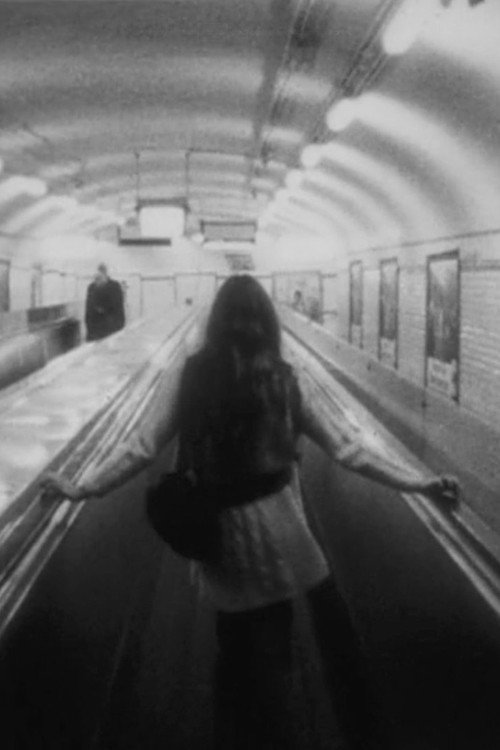
La Drague 1977
Dive into the 1977 short film *La Drague* by Charlotte Szlovak, a moody exploration of urban alienation where nighttime streets become battlegrounds of false charm and raw aggression.
Director: Charlotte Szlovak
Frequently Asked Questions
What is La Drague (1977) about?
Set against the neon-lit streets of a 1970s city, *La Drague* follows women navigating the night's hidden dangers, where courtesy masks aggression and solitude feels like the only escape. The film paints a raw portrait of urban life through fleeting encounters and unspoken tensions.
Who directed La Drague?
Charlotte Szlovak directed *La Drague*, bringing a sharp, atmospheric lens to the exploration of nighttime city dynamics.
Who stars in La Drague?
The cast details for *La Drague* are not listed, leaving the focus on Szlovak's evocative direction and the film's immersive atmosphere.
Is La Drague (1977) worth watching?
While *La Drague* remains underrated, its 30-minute runtime delivers a dense, atmospheric experience that resonates with fans of character-driven urban dramas. The film's themes of isolation and unspoken power dynamics make it a niche but intriguing watch for cinephiles.
How long is La Drague?
*La Drague* runs just 30 minutes, a compact yet densely packed exploration of nighttime city life.
About La Drague (1977) — A 30-Minute Urban Nightmare of Solitude and Seduction
Dive into the 1977 short film *La Drague* by Charlotte Szlovak, a moody exploration of urban alienation where nighttime streets become battlegrounds of false charm and raw aggression. This 30-minute cinematic vignette captures women navigating the unspoken rules of city nights, where kindness can be a mask and solitude feels like the only safe refuge. With a mood that blends grit and melancholy, Szlovak crafts a story where the city's pulse feels both intoxicating and isolating, revealing the fragile dance between connection and survival.
For fans of atmospheric, thought-provoking films, *La Drague (1977)* offers a snapshot of late-70s societal tensions through a lens that's equal parts poetic and unflinching. The director's keen eye for urban dynamics turns a simple premise into a meditation on gender, power, and the quiet resilience of those who move through the night's shadows unseen.