Le dytique 1912
Dive into the microscopic world with *Le dytique (1912)*, a rare early documentary that unveils the hidden drama of a carnivorous water beetle's life cycle.
Frequently Asked Questions
What is Le dytique (1912) about?
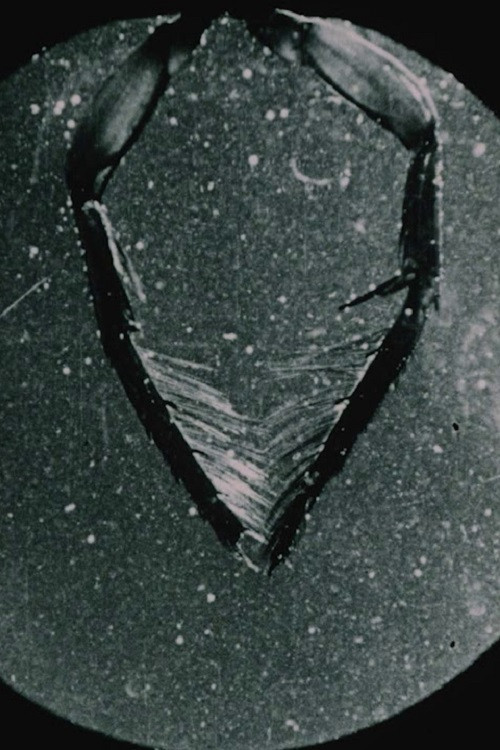
*Le dytique* is a short documentary from 1912 that documents the life cycle of the Dytiscus water beetle, a carnivorous insect found in stagnant waters. The film focuses on the beetle's predatory behavior, particularly its struggle with a Tripon prey, captured through patient, detailed cinematography that highlights the challenges of filming such intricate natural behavior.
Who directed Le dytique?
Director information is not available.
Who stars in Le dytique?
The cast details for *Le dytique* (1912) are not listed.
Is Le dytique (1912) worth watching?
While *Le dytique* is a niche documentary from 1912, it's a fascinating time capsule for fans of early cinema or nature documentaries. Its seven-minute runtime and scientific focus may not appeal to everyone, but it offers a unique perspective on the challenges of early filmmaking and the natural world. Its value lies in its historical and educational significance rather than mainstream entertainment.
How long is Le dytique?
Le dytique (1912) has a runtime of 7 minutes.
🎥 Trailer
About Le dytique (1912) — A Pioneering 7-Minute Nature Documentary
Dive into the microscopic world with *Le dytique (1912)*, a rare early documentary that unveils the hidden drama of a carnivorous water beetle's life cycle. Shot in stark black-and-white, this seven-minute silent masterpiece immerses viewers in the murky ponds where the Dytiscus beetle thrives, capturing its predatory instincts with striking precision. The film's slow-burn tension mirrors the patience of its unseen cinematographer, who spent days waiting for the perfect moment to film a tense showdown between the beetle and its prey. A fascinating blend of science and cinema, *Le dytique* offers a glimpse into nature's unrelenting cycle of survival, framed by the technological constraints of its era.
While director and cast details remain lost to time, this short film stands out as a testament to the early pioneers of documentary filmmaking. It's less about entertainment and more about education, offering an almost clinical look at insect behavior that was groundbreaking for its time. The grainy, hand-cranked footage adds an eerie authenticity, transporting modern audiences back to a period when film was still finding its voice—one frame at a time.