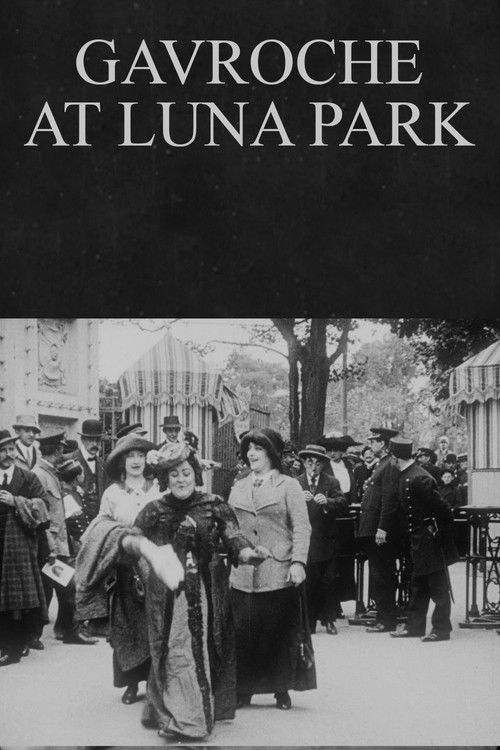
Gavroche at Luna Park 1912
Step right up for this delightfully mischievous slice of early cinema, *Gavroche at Luna Park* (1912), a brisk seven-minute comedy directed by the prolific Romeo Bosetti.
Director: Romeo Bosetti
Cast
Frequently Asked Questions
What is *Gavroche at Luna Park* (1912) about?
*Gavroche at Luna Park* follows Funnicus, a gloomy jester who stumbles upon Luna Park seeking distraction. Through a comedy of errors, he swaps identities with an unsuspecting woman using a fortune-teller's prophecy as his cover, leading to a series of uproarious misunderstandings.
Who directed *Gavroche at Luna Park*?
The film was directed by Romeo Bosetti, a pioneering figure in early French silent comedy known for his energetic and inventive short films.
Who stars in *Gavroche at Luna Park*?
The film features Paul Bertho in the lead role of Funnicus, with additional appearances by an uncredited cast typical of early silent shorts.
Is *Gavroche at Luna Park* (1912) worth watching?
As a rare surviving example of early silent comedy, *Gavroche at Luna Park* offers a fascinating window into the humor and style of 1912. While unrated and brief, its clever premise and historical charm make it a delightful watch for silent film enthusiasts and curious viewers alike.
How long is *Gavroche at Luna Park*?
The film runs for 7 minutes, fitting snugly into the short-film format that dominated early cinema.
🎥 Trailer
About Gavroche at Luna Park (1912) — Early Silent Comedy with a Mischievous Twist
Step right up for this delightfully mischievous slice of early cinema, *Gavroche at Luna Park* (1912), a brisk seven-minute comedy directed by the prolific Romeo Bosetti. The film follows Funnicus, a perpetually melancholic jester whose spirits refuse to lift despite his best efforts—until he stumbles upon Luna Park, the vibrant amusement park of the era. Here, amidst the whirl of attractions and the buzz of crowds, an audacious scheme unfolds. A fortune-teller's prediction offers Funnicus the perfect ruse: he swaps identities with an unsuspecting woman, leading to a cascade of comedic misunderstandings that highlight the absurdity of human vanity and the lengths one might go for a laugh. Bosetti's direction infuses the film with a playful, chaotic energy, capturing the whimsy and unpredictability of early silent comedy.
At its heart, *Gavroche at Luna Park* is a testament to the anarchic spirit of silent-era humor, where disguises, mistaken identities, and social satire collide in a compact yet memorable short. The film's themes—identity, deception, and the pursuit of joy—are wrapped in a lighthearted, almost farcical tone that feels timeless. Whether you're a fan of classic slapstick or just curious about the roots of comedy cinema, this 1912 gem offers a charming glimpse into a bygone era of filmmaking, where even the briefest of outings could leave a lasting impression.