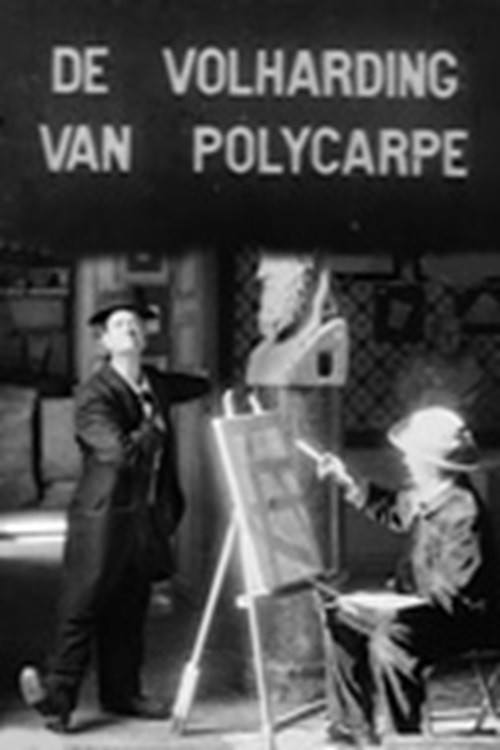
The Tenacity of Polycarp 1914
Step into the whimsical world of early cinema with *The Tenacity of Polycarp* (1914), a delightful short comedy directed by Ernest Servaès.
Director: Ernest Servaès
Cast
Frequently Asked Questions
What is The Tenacity of Polycarp (1914) about?
Polycarp, played by Charles Servaès, stumbles into a museum where his comedic pose catches a painter's eye. What starts as a simple art project quickly spirals into a series of chaotic obstacles, turning the painter's quest into a farcical adventure.
Who directed The Tenacity of Polycarp?
The film was directed by Ernest Servaès, who crafted this early comedy with a keen eye for physical humor and visual gags.
Who stars in The Tenacity of Polycarp?
The main cast features Charles Servaès in the title role, bringing Polycarp to life with energetic antics.
Is The Tenacity of Polycarp (1914) worth watching?
While it's a silent short with limited context, its humor and historical charm make it a fun watch for early cinema enthusiasts. With no IMDb rating to judge, its value lies in its nostalgic appeal and the sheer joy of its slapstick moments.
How long is The Tenacity of Polycarp?
The film runs for approximately 6 minutes.
🎥 Trailer
About The Tenacity of Polycarp (1914) — Early Comedy Classic with a Chase of Chaos
Step into the whimsical world of early cinema with *The Tenacity of Polycarp* (1914), a delightful short comedy directed by Ernest Servaès. This six-minute silent gem stars Charles Servaès as Polycarp, a museum visitor whose playful antics catch the eye of a painter determined to immortalize his pose on canvas. What begins as a simple desire to capture the moment spirals into a series of hilarious mishaps, as chaos and mischief conspire to thwart the artist's every move. The film's lighthearted tone and spirited chase sequences make it a charming relic of slapstick comedy, offering a glimpse into the playful, fast-paced humor of the era.
With its roots in early cinema, *The Tenacity of Polycarp* blends physical comedy with the quirky charm of museum set pieces, creating an atmosphere of joyful absurdity. The silent format amplifies the expressive performances, allowing Polycarp's antics to shine without the need for dialogue. Whether you're a fan of silent films or simply curious about the evolution of comedy, this short film is a delightful time capsule that proves laughter transcends decades.