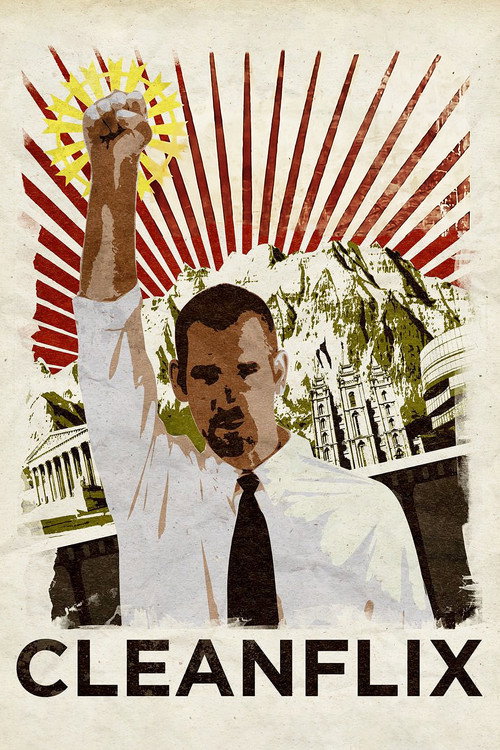
Cleanflix 2009
"Sex. Violence. Mormons. Movies."
Cleanflix (2009) is a compelling documentary that delves into the controversial world of edited films and copyright battles.
Director: Andrew James
Cast

Frequently Asked Questions
What is Cleanflix (2009) about?
Cleanflix chronicles the rise and fall of a Utah company that edited Hollywood movies to remove sex and violence, only to face devastating legal consequences from the film industry.
Who directed Cleanflix?
The documentary was directed by Andrew James, who brings an investigative eye to this story of copyright conflict and moral entrepreneurship.
Who stars in Cleanflix?
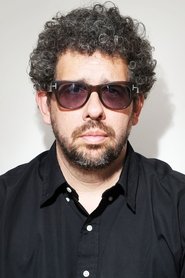
The film features Danny Thompson, Ray Lines, Allan Erb, Neil LaBute, Richard Dutcher, and Robert Perry, each providing unique perspectives on the edited movie controversy.
Is Cleanflix (2009) worth watching?
With its unrated status and compelling real-world drama, Cleanflix offers valuable insight into copyright law, religious culture, and media ethics. Documentary fans will find it engaging.
How long is Cleanflix?
Cleanflix runs for 85 minutes, making it a concise yet comprehensive exploration of its subject matter.
🎥 Trailer
About Cleanflix (2009) — The Documentary That Exposes Hollywood's Edited Film Controversy
Cleanflix (2009) is a compelling documentary that delves into the controversial world of edited films and copyright battles. Directed by Andrew James, this 85-minute exploration follows a Utah-based company that specialized in sanitizing Hollywood movies by removing objectionable content. The film examines what happens when this small operation faces the full force of the entertainment industry's legal machinery.
Through interviews with key figures including Danny Thompson, Ray Lines, and Neil LaBute, the documentary paints a vivid picture of moral conflict meets corporate power. The atmosphere is tense yet thought-provoking, exploring themes of censorship, artistic integrity, and religious values clashing with commercial interests. Andrew James crafts an engaging narrative that feels both intimate and significant.
This documentary offers a unique lens into a little-known corner of the film industry, where personal convictions collide with copyright law. The result is a fascinating character study that raises important questions about who gets to decide what audiences should see.