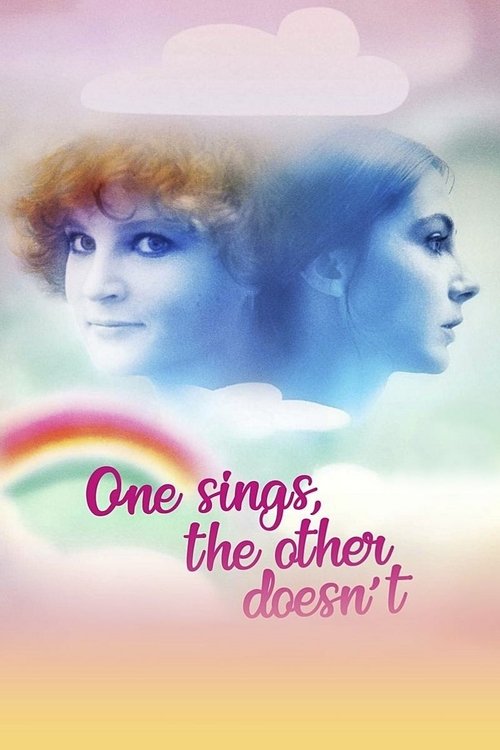
One Sings, the Other Doesn't 1977
"You are not born a woman… you become one."
Agnès Varda's *One Sings, the Other Doesn't* (1977) weaves a poignant tale of two women whose lives intertwine across a decade of social change. Set against the backdrop of 1970s France, the film explores their bond forged in solidarity during a pivotal era for women's rights.
Director: Agnès Varda
Cast



Frequently Asked Questions
What is One Sings, the Other Doesn't (1977) about?
The film follows two women, Pomme and Suzanne, whose lives become intertwined in 1970s France during the women's rights movement. After a brief but impactful meeting, they reunite a decade later, navigating personal and societal challenges while maintaining an unbreakable bond.
Who directed One Sings, the Other Doesn't?
Agnès Varda, the renowned French New Wave director, helmed this film. Known for her socially conscious storytelling, Varda's work in *One Sings, the Other Doesn't* reflects her deep involvement in feminist causes of the era.
Who stars in One Sings, the Other Doesn't?
The film stars Thérèse Liotard as Suzanne and Valérie Mairesse as Pomme, with supporting roles from Robert Dadiès, Mona Mairesse, and François Courbin.
Is One Sings, the Other Doesn't (1977) worth watching?
Absolutely—this 1977 drama blends compelling storytelling with musical elements and feminist themes, making it a standout in Agnès Varda's filmography. Its exploration of friendship and societal change offers both emotional depth and historical insight.
How long is One Sings, the Other Doesn't?
The film runs for 122 minutes.
🎥 Trailer
About One Sings, the Other Doesn't (1977) — A Musical Friendship Rooted in Women's Liberation
Agnès Varda's *One Sings, the Other Doesn't* (1977) weaves a poignant tale of two women whose lives intertwine across a decade of social change. Set against the backdrop of 1970s France, the film explores their bond forged in solidarity during a pivotal era for women's rights. Pomme, an unconventional singer with a free spirit, and Suzanne, a determined community activist, reunite after a decade apart, their friendship enduring despite stark differences in lifestyle and personal struggles. Varda crafts a narrative that blends drama with musical elements, capturing the spirit of resilience and camaraderie. The film's themes of identity, sisterhood, and societal transformation resonate as powerfully today as they did upon its release.
This cinematic gem feels like a love letter to women's liberation, blending heartfelt storytelling with the raw energy of music. The contrast between Pomme's bohemian artistry and Suzanne's grounded activism creates a dynamic that fuels the story's emotional depth. Varda's direction infuses the film with warmth and authenticity, making it a standout in her filmography and a touching portrait of friendship across time and circumstance.