Night Wandering 1964
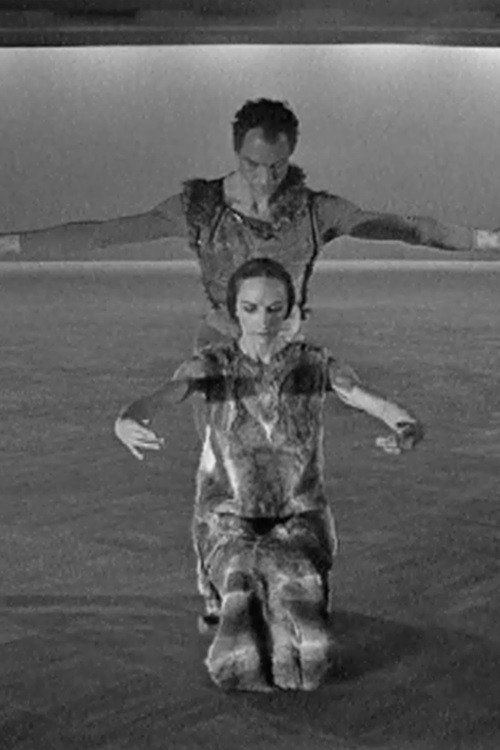
A mesmerizing 1964 documentary short by avant-garde legend Merce Cunningham, Night Wandering captures a hypnotic duet between the director and dancer Carolyn Brown, set against a stark, wintry backdrop.
Director: Merce Cunningham
Cast
Frequently Asked Questions
What is Night Wandering (1964) about?
This short documentary captures a haunting duet between Merce Cunningham and Carolyn Brown, set in a stark, wintry landscape. The film blends eerie silence with sudden bursts of movement, evoking themes of solitude, longing, and the unspoken tensions between two figures.
Who directed Night Wandering?
Merce Cunningham, the iconic avant-garde choreographer and dancer, directed Night Wandering in 1964.
Who stars in Night Wandering?
The film stars Merce Cunningham and Carolyn Brown in a duet that defines its haunting atmosphere.
Is Night Wandering (1964) worth watching?
Though brief at just 13 minutes, Night Wandering offers a profound glimpse into Cunningham's experimental vision. Its stark beauty and enigmatic choreography make it a rewarding watch for fans of modern dance and documentary filmmaking, even if it's more atmospheric than narrative-driven.
How long is Night Wandering?
Night Wandering runs for 13 minutes.
About Night Wandering (1964) — A Chilling Dance of Solitude and Silence in 13 Minutes
A mesmerizing 1964 documentary short by avant-garde legend Merce Cunningham, Night Wandering captures a hypnotic duet between the director and dancer Carolyn Brown, set against a stark, wintry backdrop. The film unfolds like a dream in frozen motion, blending eerie silence with sudden bursts of movement that echo the restless tension of two figures navigating an unseen emotional landscape. Inspired by Nordic folklore and Shakespearean tragedy, the piece transforms a simple dance into a haunting meditation on solitude, desire, and the unspoken language of the body.
Shot in stark black-and-white, Night Wandering (1964) transforms its minimalist setting into a character of its own—a vast, untouched expanse where time seems to stretch and contract. Cunningham's fur-clad choreography, designed by Robert Cernovitch, amplifies the contrast between warmth and cold, intimacy and isolation, while Bo Nilsson's experimental score mirrors the piece's shifts between stillness and sudden energy. The result is less a performance and more a fleeting glimpse into a world where every gesture feels charged with meaning, leaving viewers to wander its enigmatic trails long after the credits roll.