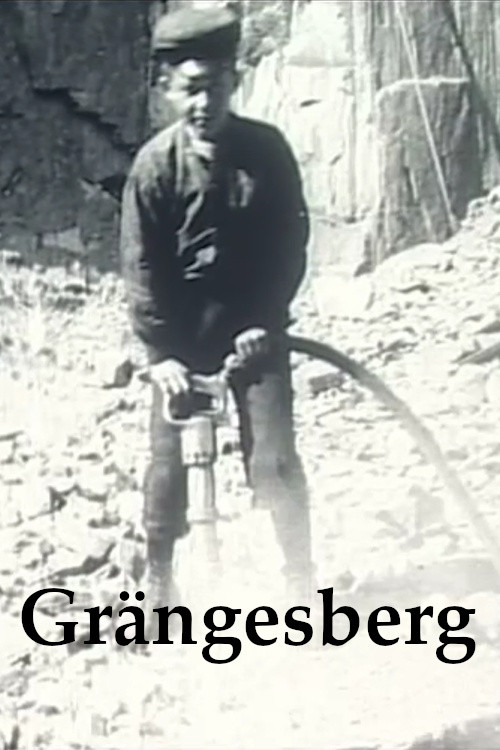
Grängesberg 1908
Dive into the raw industrial heart of early 20th-century Sweden with *Grängesberg (1908)*, a silent documentary short that captures the grit and grandeur of mining operations in this historic town.
Frequently Asked Questions
What is Grängesberg (1908) about?
*Grängesberg (1908)* documents the daily operations of one of Sweden's most significant iron ore mines, capturing the extraction process and the transportation of ore to Oxelösund's port. The film serves as both a historical record and a testament to the labor and logistics behind the era's industrial boom.
Who directed Grängesberg?
Director information is not available.
Who stars in Grängesberg?
As a silent documentary, *Grängesberg (1908)* features no credited actors or performers; its cast is the machinery, workers, and landscapes of the mines themselves.
Is Grängesberg (1908) worth watching?
While *Grängesberg (1908)* is a niche historical piece with a runtime of just four minutes, its value lies in its authenticity as an early documentary. Film enthusiasts and history lovers may appreciate its glimpse into Sweden's industrial past, though casual viewers might find it too brief or dated to hold their interest.
How long is Grängesberg?
The runtime for *Grängesberg (1908)* is four minutes.
About Grängesberg (1908) — A Silent Slice of Sweden's Industrial Past
Dive into the raw industrial heart of early 20th-century Sweden with *Grängesberg (1908)*, a silent documentary short that captures the grit and grandeur of mining operations in this historic town. This black-and-white glimpse transports viewers to an era where human ingenuity met nature's depths, showcasing the labor-intensive process of extracting and transporting iron ore. The film's stark visuals emphasize the scale of Grängesberg's mines, where workers and machines labored in tandem to fuel the region's growth. As ore is loaded onto trains bound for Oxelösund's port, the documentary subtly mirrors the rhythm of progress—relentless, industrial, and transformative.
Beyond its historical value, *Grängesberg (1908)* stands as a time capsule of early documentary filmmaking. Shot in documentary style, it offers a rare, unfiltered look at the machinery and methods that defined the town's identity. While the film's brevity and lack of narrative may limit its appeal to modern audiences, its authenticity as a relic of industrialization makes it a compelling watch for history buffs and film preservationists alike.