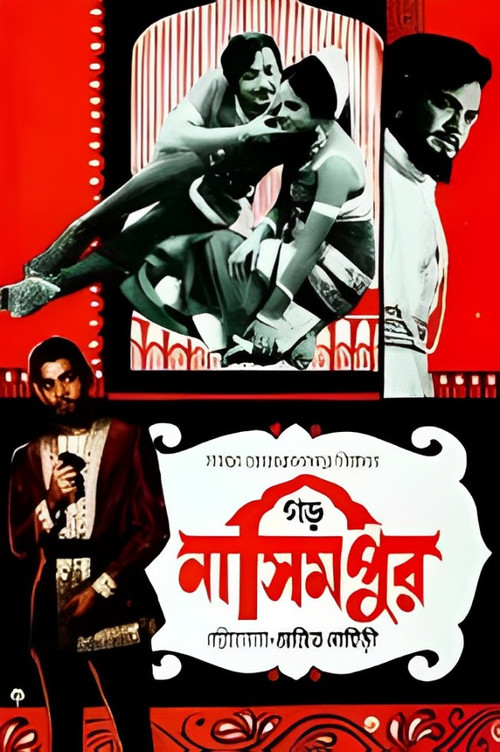
Garh Nasimpur 1968
Set against the backdrop of 17th-century Bengal, Garh Nasimpur (1968) is a historical drama that delves into the complexities of royal conspiracies and the struggle for love in the face of occupation.
Director: Ajit Lahiri
Cast

Frequently Asked Questions
What is Garh Nasimpur (1968) about?
Set in 17th-century Bengal, the film follows a young man's journey as he navigates royal conspiracies and his struggle to be reunited with his loved one.
Who directed Garh Nasimpur?
Ajit Lahiri brings his vision to life in this historical drama.
Who stars in Garh Nasimpur?
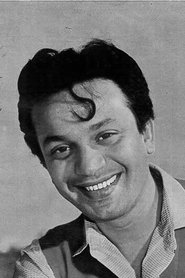
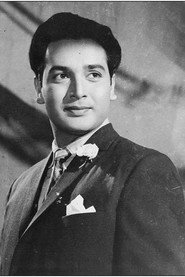
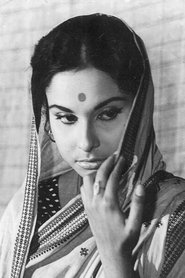
Uttam Kumar, Biswajeet Chatterjee, and Madhabi Mukherjee lead the cast in this engaging drama.
Is Garh Nasimpur (1968) worth watching?
While its IMDb rating is unavailable, the film's historical setting, engaging narrative, and thought-provoking themes make it a compelling watch for fans of the genre.
How long is Garh Nasimpur?
The movie has a runtime of 103 minutes.
About Garh Nasimpur (1968) — A Historical Drama of Love, Loyalty, and Power.
Set against the backdrop of 17th-century Bengal, Garh Nasimpur (1968) is a historical drama that delves into the complexities of royal conspiracies and the struggle for love in the face of occupation. Directed by Ajit Lahiri, this film stars Uttam Kumar, Biswajeet Chatterjee, and Madhabi Mukherjee in pivotal roles. As the Mughal prince takes control of the Nasimpur territory, a young man finds himself entangled in a web of deceit and must navigate the treacherous landscape to be reunited with his loved one.
With its rich historical setting and engaging narrative, Garh Nasimpur is a must-watch for fans of historical dramas and those interested in exploring lesser-known films from the 1960s. The movie's themes of love, loyalty, and power dynamics add depth to its engaging storyline, making it a compelling watch for audiences.
As you embark on a journey through the world of Garh Nasimpur, you'll be immersed in a tale of intrigue, romance, and self-discovery, all set against the stunning backdrop of 17th-century Bengal.