Maria Fotografia 1968
Maria Fotografia (1968), directed by Plinio Martelli, is a 12-minute cinematic snapshot that blurs the lines between photography and performance art.
Director: Plinio Martelli
Frequently Asked Questions
What is Maria Fotografia (1968) about?
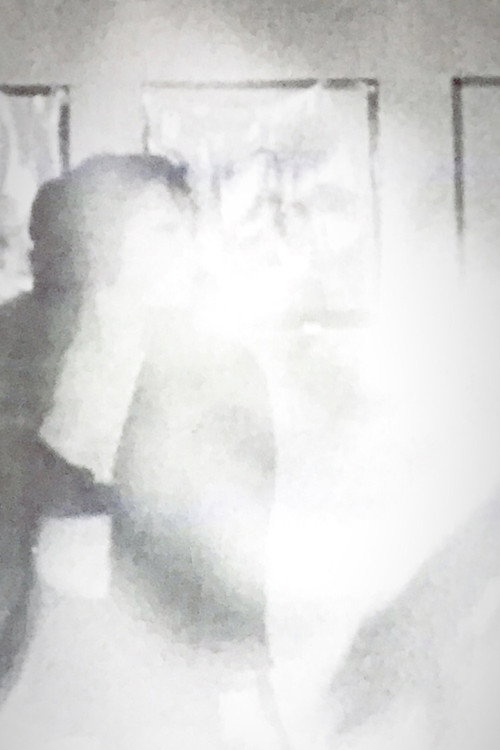
Maria Fotografia follows a photo shoot where Michelangelo Pistoletto captures Maria Pioppi in a series of poses, blending still images with live performance. As negatives emerge, the scenes shift to a gallery-like setting where a group of young artists interact with the photographs in unexpected ways, transforming them into a living tableau.
Who directed Maria Fotografia?
Maria Fotografia was directed by Plinio Martelli, an Italian filmmaker known for his work in experimental cinema.
Who stars in Maria Fotografia?
The short film stars Maria Pioppi as the central subject, with Michelangelo Pistoletto directing the photo shoot and Ugo Nespolo appearing as part of the performing group.
Is Maria Fotografia (1968) worth watching?
While Maria Fotografia may not appeal to mainstream audiences, it's a fascinating artifact of 1960s avant-garde cinema. Its experimental nature and minimalist execution offer a unique glimpse into the era's artistic movements, making it valuable for fans of underground film.
How long is Maria Fotografia?
Maria Fotografia has a runtime of 12 minutes.
About Maria Fotografia (1968) — A 12-minute avant-garde exploration of photography and performance
Maria Fotografia (1968), directed by Plinio Martelli, is a 12-minute cinematic snapshot that blurs the lines between photography and performance art. The film opens with a dynamic photo shoot where artist Michelangelo Pistoletto captures Maria Pioppi in a series of striking poses, using objects and interactions to create fleeting moments of expression. As negatives float through the frame, the images evolve into a surreal gallery setting, where a group of young performers—including Ugo Nespolo—transform the stills through playful, almost ritualistic actions, as if staging an unconventional exhibition opening.
This experimental short is a meditation on time, perception, and the fluidity of art itself. The interplay of front-facing shots, counterviews, and performative gestures creates an atmosphere that feels both intimate and detached, inviting viewers to question where photography ends and performance begins. With its minimalist aesthetic and bold visual choices, Maria Fotografia stands as a fascinating relic of 1960s avant-garde cinema, where every frame feels deliberate and loaded with meaning.