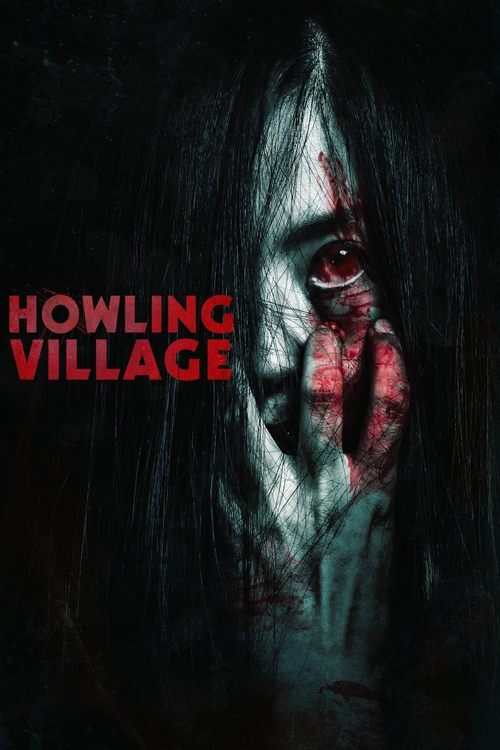
Howling Village 2020
"Horror comes home."
A chilling descent into terror unfolds in *Howling Village (2020)*, horror maestro Takashi Shimizu's eerie mystery that blends psychological tension with supernatural dread.
Director: Takashi Shimizu
Cast

Ayaka Miyoshi
Kanae Morita
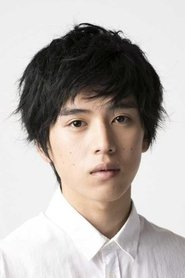
Ryota Bando
Yuma Morita

Rinka Otani
Akina Nishida

Tsuyoshi Furukawa
Kenji Narimiya

Hina Miyano
Maya Kagoi
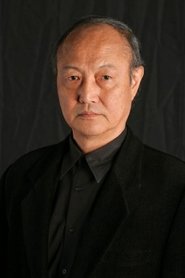
Renji Ishibashi
Hayato Nakamura
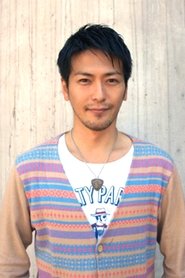
Takamasa Suga
Keisuke

Megumi Okina
Yuko

Reiko Takashima
Ayano Morita
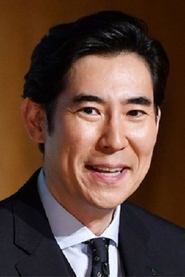
Masanobu Takashima
Akira Morita
Frequently Asked Questions
What is Howling Village (2020) about?
*Howling Village (2020)* follows a young psychologist who travels to a notorious haunted village after her brother disappears, uncovering dark family secrets and confronting supernatural forces tied to the land's cursed history. The village itself becomes a battleground between memory and myth, where past sins refuse to stay buried.
Who directed Howling Village?
The film was directed by Takashi Shimizu, a filmmaker renowned for his work in Japanese horror, including the iconic *Ju-on* (The Grudge) series.
Who stars in Howling Village?
The film stars Ayaka Miyoshi as the protagonist, alongside Ryota Bando, Rinka Otani, and Tsuyoshi Furukawa in key roles that drive the mystery forward.
Is Howling Village (2020) worth watching?
As a slow-burn folk horror with psychological depth, *Howling Village (2020)* delivers an atmospheric and unsettling experience for fans of the genre. While it may lack the polish of Shimizu's most famous works, its grim tone and eerie premise make it compelling for horror enthusiasts seeking a unique twist on cursed village tropes.
How long is Howling Village?
The runtime of *Howling Village (2020)* is 108 minutes.
🎥 Trailer
About Howling Village (2020) — A psychologist's nightmarish journey into a cursed village
A chilling descent into terror unfolds in *Howling Village (2020)*, horror maestro Takashi Shimizu's eerie mystery that blends psychological tension with supernatural dread. The film follows a determined young psychologist, Ayaka Miyoshi in a standout role, as she ventures into the infamous village known for its cursed past after her brother vanishes without a trace. The remote, fog-drenched setting becomes a character itself, amplifying the film's haunting atmosphere as she uncovers buried secrets tied to her family's tragic history. With slow-burn dread and unsettling visuals, Shimizu crafts a story where folklore and familial guilt collide, leaving both the protagonist and audience questioning what truly lurks in the shadows.
As the protagonist digs deeper, she encounters chilling phenomena that blur the line between memory and nightmare. The film's oppressive mood and folk horror elements evoke classic Japanese ghost stories, while its modern psychological framework grounds the terror in relatable stakes. Miyoshi's performance anchors the narrative, making the descent into the village's horrors feel deeply personal and viscerally terrifying.