Studies of Apparent Behavior 1943
Dive into the intriguing world of *Studies of Apparent Behavior (1943)*, Fritz Heider's groundbreaking four-minute animated short that became a cornerstone of cognitive psychology.
Director: Fritz Heider
Frequently Asked Questions
What is Studies of Apparent Behavior (1943) about?
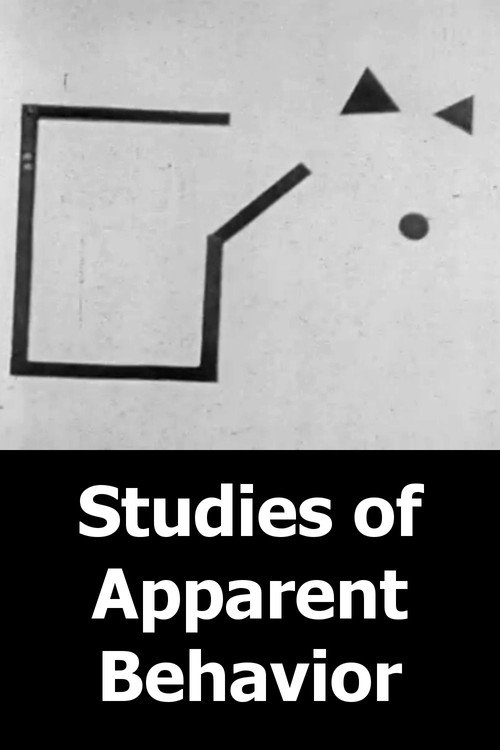
*Studies of Apparent Behavior* is a short animated film featuring three geometric figures—a triangle, circle, and square—whose movements are deliberately designed to evoke human-like behaviors and interactions. Viewers are challenged to interpret the shapes' actions, revealing how our brains instinctively assign motives and narratives to abstract motion.
Who directed Studies of Apparent Behavior?
Fritz Heider, a pioneering psychologist, directed *Studies of Apparent Behavior*. His work in this film contributed significantly to early cognitive psychology research on perception and social attribution.
Who stars in Studies of Apparent Behavior?
Director and psychologist Fritz Heider is the key figure behind *Studies of Apparent Behavior*, though the film's 'cast' consists primarily of three geometric shapes—a triangle, circle, and square—whose movements drive the experiment.
Is Studies of Apparent Behavior (1943) worth watching?
Though short and unrated on IMDb, *Studies of Apparent Behavior* is a fascinating watch for psychology enthusiasts and animation lovers alike. Its minimalist approach and psychological depth make it a unique film that challenges viewers to reconsider how they interpret visual storytelling—even in its most basic form.
How long is Studies of Apparent Behavior?
The runtime for *Studies of Apparent Behavior* is 4 minutes, making it a quick yet thought-provoking experience.
About Studies of Apparent Behavior (1943) — The Animated Psychology Classic You Never Knew You Needed
Dive into the intriguing world of *Studies of Apparent Behavior (1943)*, Fritz Heider's groundbreaking four-minute animated short that became a cornerstone of cognitive psychology. This deceptively simple film features three geometric shapes—a triangle, a circle, and a square—moving in deliberate patterns against a stark backdrop, compelling viewers to project human-like intentions onto their interactions.
Director Fritz Heider crafted this 1943 experiment to explore how people interpret motion and assign meaning to abstract visual stimuli, laying foundational groundwork for later studies in perception and social psychology. The film's minimalist animation and rhythmic pacing create an atmosphere of quiet curiosity, transforming a mere geometric exercise into a fascinating study of how our minds seek patterns and stories in even the most basic forms of movement. Though concise, *Studies of Apparent Behavior* remains a pivotal watch for anyone interested in the intersection of art, science, and the way we perceive the world.