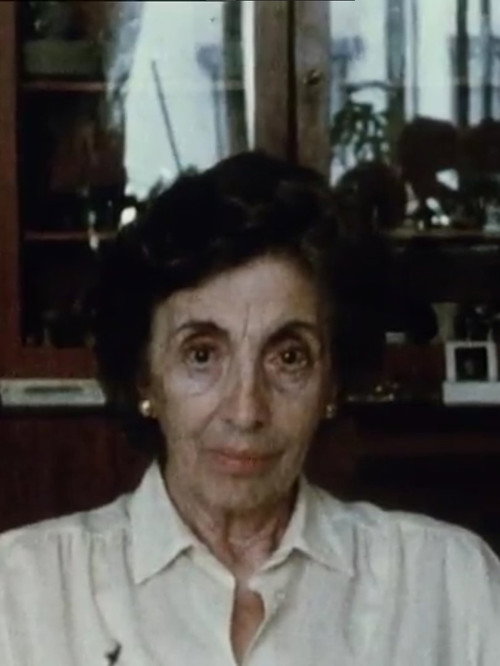
Eltern (Mutter/Vater) 1999
Friedl vom Gröller's *Eltern (Mutter/Vater)* (1999) is a fleeting yet evocative experimental film that distills the essence of parenthood into just five minutes of screen time.
Director: Friedl vom Gröller
Frequently Asked Questions
What is Eltern (Mutter/Vater) (1999) about?
This experimental short film delves into the emotional landscape of parenthood through abstract visuals and minimalist sound. It strips away dialogue to focus on the unspoken dynamics between parents and their roles, creating a haunting, introspective experience.
Who directed Eltern (Mutter/Vater)?
The film was directed by Friedl vom Gröller, an experimental filmmaker known for pushing cinematic boundaries with unconventional storytelling techniques.
Who stars in Eltern (Mutter/Vater)?
Cast details for this short film are not publicly listed, reflecting its experimental nature and focus on visual narrative over performers.
Is Eltern (Mutter/Vater) (1999) worth watching?
While the film is unrated and unconventional, its experimental approach and emotional depth make it compelling for fans of avant-garde cinema. The brevity and intensity of the piece offer a unique experience worth exploring for those curious about non-traditional storytelling.
How long is Eltern (Mutter/Vater)?
The runtime of *Eltern (Mutter/Vater)* is approximately 5 minutes.
About Eltern (Mutter/Vater) (1999): A 5-Minute Visual Masterpiece Exploring Parenthood
Friedl vom Gröller's *Eltern (Mutter/Vater)* (1999) is a fleeting yet evocative experimental film that distills the essence of parenthood into just five minutes of screen time. Stripped of dialogue and conventional narrative, the short piece unfolds as a visual meditation on familial bonds, using abstract imagery and minimalist soundscapes to explore the quiet intensity of maternal and paternal roles. The film's stark, almost clinical atmosphere contrasts with its deeply emotional core, inviting viewers to interpret the unspoken tensions and tender moments that define the parent-child dynamic. Whether through stark lighting or fragmented compositions, *Eltern* captures the paradox of love—both nurturing and restrictive—in a way that lingers long after the credits roll.
As an avant-garde experiment, the work challenges traditional storytelling, prioritizing mood and symbolism over plot. It's a film that rewards patience, appealing to those who seek cinematic experiences that transcend the ordinary. The director's bold choices create a haunting visual language, one that lingers in the mind like a half-remembered dream. Though brief, *Eltern (Mutter/Vater)* leaves a lasting impression, a testament to the power of experimental cinema to evoke profound emotions in the most condensed form.