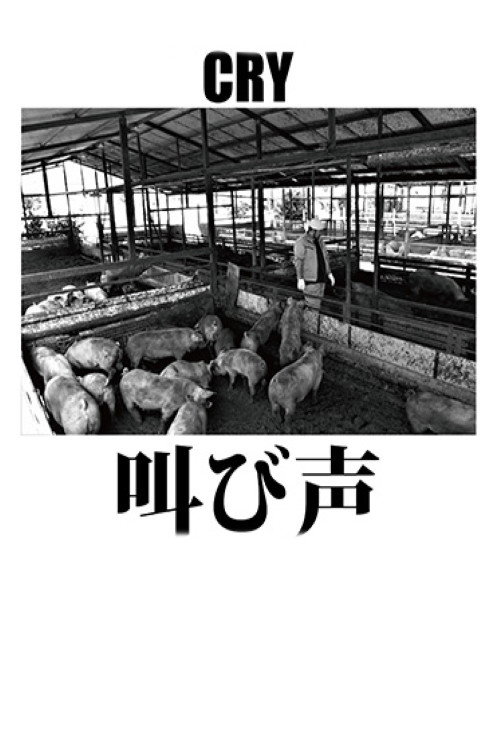
Cry 2019
Cry (2019) is a quietly powerful black-and-white drama from Hirobumi Watanabe that unfolds without a single spoken word. The film immerses viewers in the tender yet melancholic routine of a man living in rural Japan, caring for his aging grandmother while laboring in a pigpen.
Director: Hirobumi Watanabe
Cast
Frequently Asked Questions
What is Cry (2019) about?
Cry follows a man who tends to his grandmother in rural Japan while working in a pigpen, all without exchanging a single word. The film captures the quiet dignity of their daily life and the unspoken emotions that bind them together.
Who directed Cry?
Cry was directed by Hirobumi Watanabe, known for his minimalist and visually striking approach to storytelling.
Who stars in Cry?
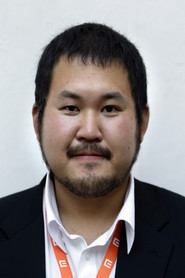
The film stars Hirobumi Watanabe, Misao Hirayama, and Riko Hisatsugu in its central roles.
Is Cry (2019) worth watching?
Cry may not be for everyone, but its stark visuals and emotional depth make it a compelling watch for fans of quiet, character-driven dramas. The 75-minute runtime keeps it tight and focused, rewarding patient viewers with a meditative experience.
How long is Cry?
Cry has a runtime of 75 minutes.
🎥 Trailer
About Cry (2019) — A Wordless Rural Drama by Hirobumi Watanabe
Cry (2019) is a quietly powerful black-and-white drama from Hirobumi Watanabe that unfolds without a single spoken word. The film immerses viewers in the tender yet melancholic routine of a man living in rural Japan, caring for his aging grandmother while laboring in a pigpen. Through minimalist storytelling and stark visuals, Watanabe explores themes of solitude, duty, and the unspoken bonds between generations. The peaceful countryside setting contrasts with the emotional weight of silent communication, creating a deeply atmospheric experience.
Shot in monochrome, Cry strips away all distractions to focus on raw human connection and the quiet sacrifices that define family. The director's signature minimalist approach elevates this slice-of-life narrative into a reflective meditation on aging and resilience. Though dialogue is absent, the film speaks volumes through its quiet spaces and unspoken emotions.