Goulimime 1970
Dive into Nancy Graves' experimental short film *Goulimime (1970)*, a mesmerizing nine-minute visual symphony set against the vast, sun-drenched expanse of the Sahara.
Director: Nancy Graves
Frequently Asked Questions
What is Goulimime (1970) about?
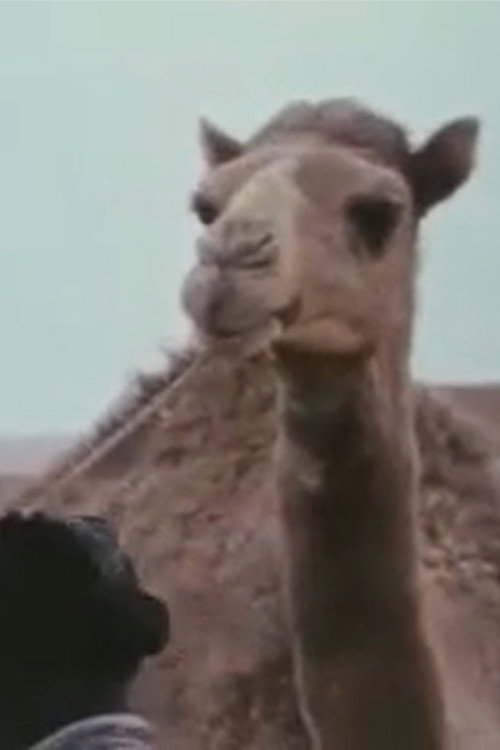
*Goulimime* is an avant-garde short film that captures the fluid, rhythmic movements of camels and other animals in a Moroccan market town. By stripping away traditional narrative, it transforms documentary footage into a visual and auditory experiment, exploring structure, motion, and the interplay of sound and image.
Who directed Goulimime?
The film was directed by Nancy Graves, an artist and filmmaker known for her innovative approach to visual storytelling and her fascination with movement and form.
Who stars in Goulimime?
Cast details for *Goulimime* are not publicly listed, reflecting its experimental and non-narrative nature.
Is Goulimime (1970) worth watching?
While *Goulimime* is a niche experimental film, it offers a unique sensory experience for fans of avant-garde cinema. Its brief runtime and bold visual style make it an intriguing piece for those interested in the intersection of documentary and abstract art. However, its appeal may be limited to viewers seeking traditional storytelling.
How long is Goulimime?
The runtime for *Goulimime* is approximately 9 minutes.
About Goulimime (1970) — A Hypnotic Experimental Short Film from the Sahara
Dive into Nancy Graves' experimental short film *Goulimime (1970)*, a mesmerizing nine-minute visual symphony set against the vast, sun-drenched expanse of the Sahara. Filmed amidst the bustling energy of a camel market, the piece strips away traditional narrative, instead weaving together the rhythmic cadence of animal movements to create a hypnotic dance of motion. Edited in New York with a striking 10:1 ratio, the film transforms raw documentary footage into a bold, avant-garde meditation on structure and form. With its four-track sound design—wild yet synchronized—*Goulimime* amplifies every gesture, turning fleeting moments into a sensory experience that lingers long after the credits roll.
An homage to Soviet montage theorist Sergei Eisenstein, Graves' work deliberately eschews straightforward storytelling, inviting viewers to immerse themselves in pure visual and auditory texture. The result is a fleeting but unforgettable cinematic experiment, where the interplay of light, movement, and sound evokes a primal, almost meditative state. Shot in goulimime (a Moroccan market town), the film captures the essence of place through abstraction, making it a unique artifact of 1970s experimental cinema.