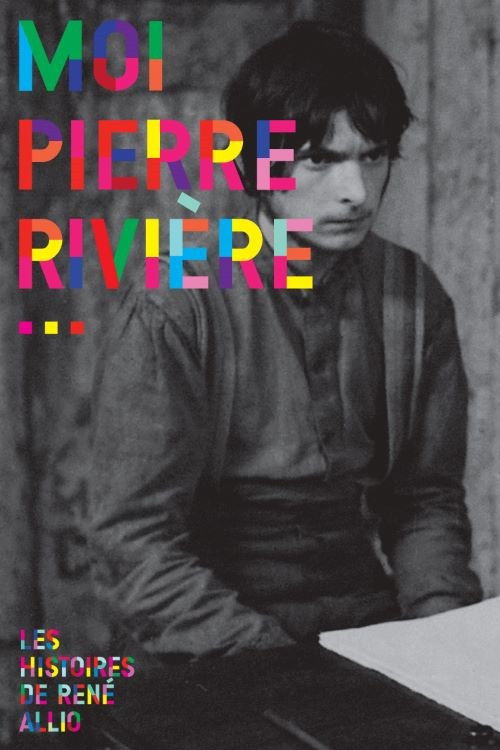
I, Pierre Rivière, Having Slaughtered My Mother, My Sister and My Brother… 1976
Director René Allio's harrowing and meticulously staged drama reconstructs a shocking true crime from 19th-century Normandy, where in 1835 a young man named Pierre Rivière slaughtered his mother, sister, and brother before disappearing into the countryside.
Director: René Allio
Cast

Frequently Asked Questions
What is I, Pierre Rivière, Having Slaughtered My Mother, My Sister and My Brother… (1976) about?
This film recounts the chilling 1835 events in Normandy when a young man, Pierre Rivière, killed his mother, sister, and brother before fleeing into the countryside. Drawing from philosopher Michel Foucault's archival research, it reconstructs the tragedy through detailed re-enactments and villagers playing their ancestors.
Who directed I, Pierre Rivière, Having Slaughtered My Mother, My Sister and My Brother…?
René Allio directed this gripping crime drama, infusing the historical narrative with a stark, documentary-like realism that heightens its emotional impact.
Who stars in I, Pierre Rivière, Having Slaughtered My Mother, My Sister and My Brother…?
The cast features Claude Hébert as Pierre Rivière, Jacqueline Milliere, Joseph Leportier, Annick Gehan, and François Regnault.
Is I, Pierre Rivière, Having Slaughtered My Mother, My Sister and My Brother… (1976) worth watching?
This isn't a typical crime thriller but an intense, thought-provoking drama rooted in historical fact. Fans of psychological depth and period films will appreciate its unflinching exploration of motive and madness, though its slow pace and heavy themes may not suit all viewers.
How long is I, Pierre Rivière, Having Slaughtered My Mother, My Sister and My Brother…?
The film runs for 130 minutes.
About I, Pierre Rivière, Having Slaughtered My Mother, My Sister and My Brother… (1976) — A True Crime Drama Rooted in Historical Records
Director René Allio's harrowing and meticulously staged drama reconstructs a shocking true crime from 19th-century Normandy, where in 1835 a young man named Pierre Rivière slaughtered his mother, sister, and brother before disappearing into the countryside. Adapted from documents compiled by philosopher Michel Foucault, the film strips away sensationalism to focus on the grim realism of peasant life, the weight of familial oppression, and the chilling moment when a son's pent-up despair erupts into violence. With a cast of real villagers embodying their own ancestors, Allio crafts an unsettling atmosphere that lingers long after the final frame, blending historical fidelity with raw emotional intensity.
Grounded in Foucault's archival research, the movie transforms courtroom records and testimonies into a haunting meditation on motive, morality, and the boundaries between sanity and madness. The first-person title hints at Rivière's own account, presented with unflinching detail as the film dissects a tragedy where poverty, tradition, and personal torment collide. Noir shadows and stark rural landscapes amplify the dread, making this 1976 masterpiece a sobering exploration of how violence can stem from silence—and how history is written by the few who survive to tell it.