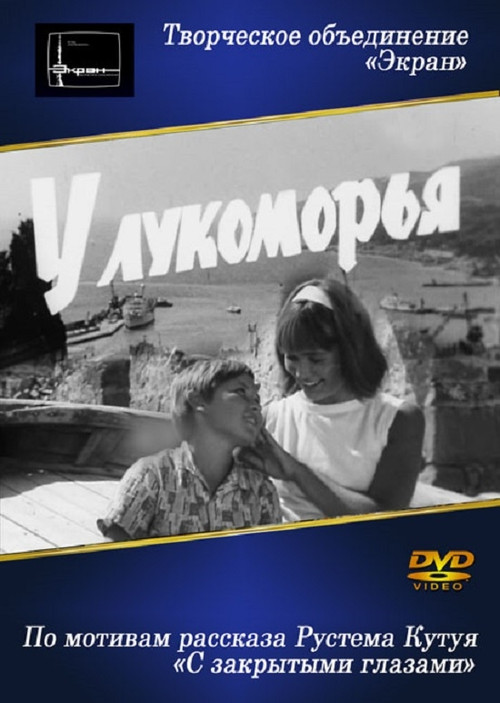
At Lukomorye 1969
Dive into the tender world of *At Lukomorye* (1969), a heartfelt Soviet-era family TV movie directed by Feliks Glyamshin. This poignant 30-minute film follows young Ilka, a sensitive poet grieving his father, a sea captain, and finding solace in his mother and sister's company.
Director: Feliks Glyamshin
Cast
Frequently Asked Questions
What is At Lukomorye (1969) about?
This Soviet family drama centers on Ilka, a young poet mourning his sea-captain father, who finds comfort in his mother and sister. When he shares his poetry with a budding romance, a betrayal forces him to confront the fragility of trust and love.
Who directed At Lukomorye?
Feliks Glyamshin directed this 1969 family drama, known for his nuanced approach to character-driven storytelling in Soviet cinema.
Who stars in At Lukomorye?
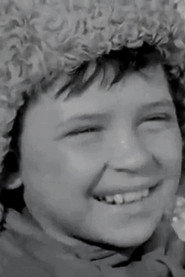
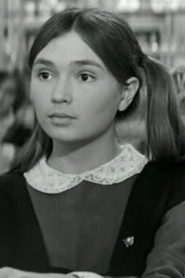
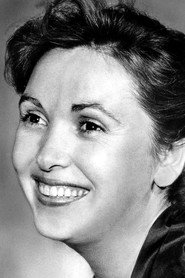
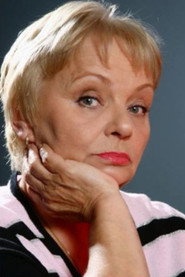
The film features Viktor Karmalitov as Ilka, Lena Bespalova as his sister, Igor Starygin as Yura, and Sofya Pavlova in a supporting role.
Is At Lukomorye (1969) worth watching?
While it's a short TV movie with no IMDb rating, *At Lukomorye* offers a touching exploration of family bonds and youthful idealism. Its poetic themes and gentle pacing make it a hidden gem for fans of vintage Soviet cinema.
How long is At Lukomorye?
At Lukomorye runs for 30 minutes, making it a concise yet impactful viewing experience.
About At Lukomorye (1969) — Family Drama Exploring Love and Loss Through Poetry
Dive into the tender world of *At Lukomorye* (1969), a heartfelt Soviet-era family TV movie directed by Feliks Glyamshin. This poignant 30-minute film follows young Ilka, a sensitive poet grieving his father, a sea captain, and finding solace in his mother and sister's company. As he shares his verses and laughter with them, a delicate romance blossoms when Zoya entrusts her beloved notebook of poems to Yura, a nautical school student. But when betrayal strikes, Ilka must confront harsh realities about trust and love.
Set against a backdrop of coastal camaraderie and familial warmth, *At Lukomorye* weaves themes of loss, artistic passion, and the bittersweet lessons of early adulthood. Glyamshin's gentle direction and Viktor Karmalitov's soulful portrayal of Ilka create an atmosphere that lingers long after the credits roll—perfect for fans of reflective, character-driven cinema.