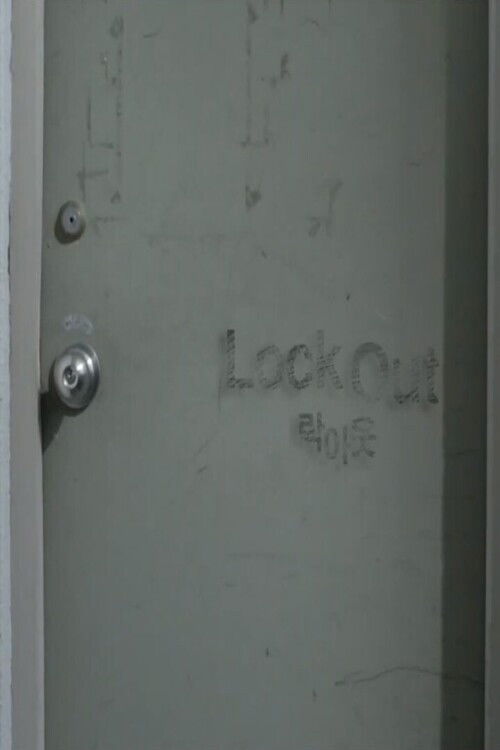
Lock Out 2015
Lock Out (2015) is a compact yet intense crime thriller directed by Kim Hyun-zo that follows a locksmith's mundane routine when he's unexpectedly called to a high-stakes scenario.
Director: Kim Hyun-zo
Cast


Frequently Asked Questions
What is Lock Out (2015) about?
A locksmith is drawn into a high-pressure situation when a mysterious woman hires him to open a locked chest in her home. What begins as a routine job quickly escalates into a tense psychological thriller filled with hidden dangers.
Who directed Lock Out?
Lock Out was directed by Kim Hyun-zo, a filmmaker known for crafting visually striking and suspenseful narratives.
Who stars in Lock Out?
The film stars Kim Tae-ri as the mysterious woman and Oh Dong-min as the locksmith navigating the unfolding mystery.
Is Lock Out (2015) worth watching?
As a 14-minute crime thriller, Lock Out delivers a tightly woven story that's engaging despite its short runtime. While it's unrated on IMDb, its genre and suspenseful premise make it worth a watch for fans of quick, twist-driven films.
How long is Lock Out?
Lock Out has a runtime of 14 minutes.
About Lock Out (2015) — A Crime Thriller Short That Twists Expectations
Lock Out (2015) is a compact yet intense crime thriller directed by Kim Hyun-zo that follows a locksmith's mundane routine when he's unexpectedly called to a high-stakes scenario. The plot unfolds with suspense as he's lured into a secluded home by an enigmatic woman who tasks him with opening a precarious wooden chest in the bedroom. What starts as a simple job spirals into a tense game of hidden motives and unspoken dangers, where every unlock could be a potential threat.
The short film thrives on a claustrophobic atmosphere, blending psychological twists with the grit of classic crime narratives. Kim Tae-ri shines as the mysterious beauty, while Oh Dong-min delivers a grounded performance as the locksmith caught in a web of uncertainty. With its tight runtime and sharp direction, Lock Out (2015) packs a punch far beyond its 14 minutes, leaving audiences questioning the true cost of curiosity.