Roentgenfilm V 1937
Dive into the intriguing world of early medical cinema with *Roentgenfilm V* (1937), a rare silent documentary directed by Robert Janker.
Director: Robert Janker
Frequently Asked Questions
What is Roentgenfilm V (1937) about?
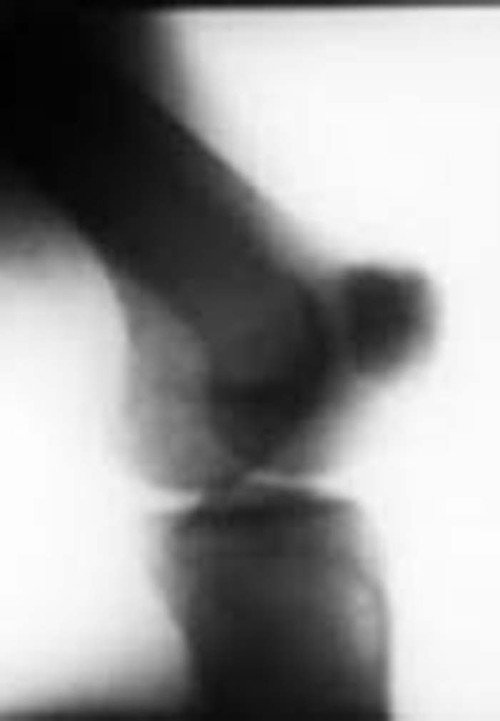
*Roentgenfilm V* is a silent black-and-white documentary showcasing cineradiography of knee and foot joints, offering a historical look at early X-ray technology. Directed by Robert Janker, the film uses intertitles in gothic script to explain its medical footage in German, blending science with the aesthetics of 1930s filmmaking.
Who directed Roentgenfilm V?
The film was directed by Robert Janker, a figure known for his work in early medical and documentary filmmaking.
Who stars in Roentgenfilm V?
Cast details for *Roentgenfilm V* are not listed, as the film focuses on medical footage rather than actors.
Is Roentgenfilm V (1937) worth watching?
*Roentgenfilm V* is a niche but fascinating watch for those interested in the history of medical technology or early cinema. Its short runtime and silent, documentary style may not appeal to all viewers, but it offers a unique glimpse into 1930s medical innovation.
How long is Roentgenfilm V?
*Roentgenfilm V* has a runtime of 4 minutes.
About Roentgenfilm V (1937) — A Rare Early X-Ray Documentary You Need to See
Dive into the intriguing world of early medical cinema with *Roentgenfilm V* (1937), a rare silent documentary directed by Robert Janker. This short black-and-white film, shot in Germany, offers a fascinating glimpse into the pioneering days of X-ray technology through its cineradiography of knee and foot joints. Shot with stark, high-contrast visuals and intertitles in gothic script, the film blends scientific curiosity with an almost eerie aesthetic, capturing the intersection of medicine and early filmmaking. Its brevity—just four minutes—makes it a concise but memorable artifact of 1930s medical innovation.
While *Roentgenfilm V* may lack star power or plot-driven drama, it stands as a testament to the historical importance of medical documentation. The film's silent, shadowy visuals create an atmosphere that feels both clinical and timeless, offering a unique perspective on how early radiography was presented to audiences. For fans of documentary history or medical technology, this short film provides an intriguing look back at the origins of visual medical science.