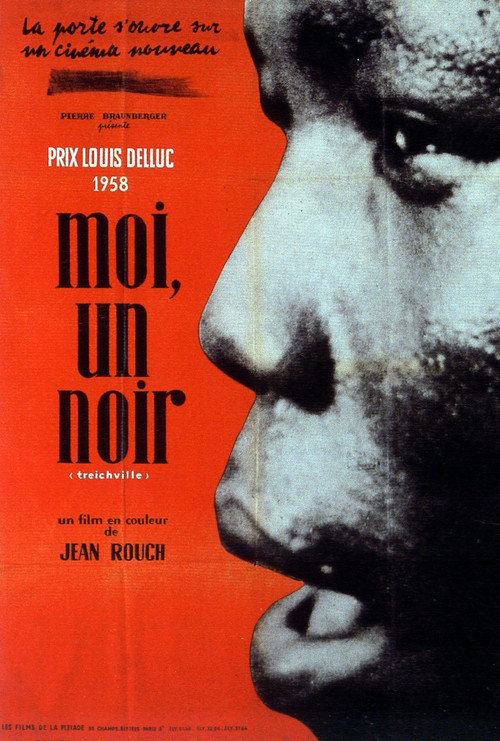
I, a Negro 1959
Jean Rouch's groundbreaking I, a Negro (1959) redefines documentary filmmaking with its raw, poetic portrayal of Nigerien migrants navigating life in Abidjan, Côte d'Ivoire.
Director: Jean Rouch
Cast
Frequently Asked Questions
What is I, a Negro (1959) about?
I, a Negro (1959) follows a week in the lives of Nigerien migrants working in Abidjan, Côte d'Ivoire, capturing their hopes, challenges, and daily routines through the lens of innovative "ethnofiction" storytelling. The film blends documentary realism with fictional elements to explore themes of displacement, labor, and cultural identity.
Who directed I, a Negro?
Jean Rouch directed I, a Negro. Known for his experimental approaches to ethnography, Rouch pioneered collaborative filmmaking techniques that blurred the line between documentary and fiction.
Who stars in I, a Negro?
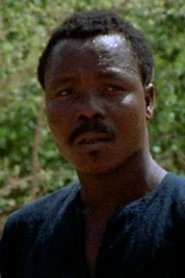
The film stars Oumarou Ganda, Petit Touré, Alassane Maiga, Amadou Demba, and Seydou Guede, who deliver performances that feel strikingly authentic and deeply personal.
Is I, a Negro (1959) worth watching?
As a groundbreaking work in ethnographic filmmaking, I, a Negro (1959) is absolutely worth watching for its innovative storytelling and cultural significance. While it's not a mainstream narrative film, its immersive style and themes of migration and identity make it a compelling and thought-provoking experience.
How long is I, a Negro?
I, a Negro (1959) has a runtime of 70 minutes.
About I, a Negro (1959) — A Pioneering Ethnographic Masterpiece
Jean Rouch's groundbreaking I, a Negro (1959) redefines documentary filmmaking with its raw, poetic portrayal of Nigerien migrants navigating life in Abidjan, Côte d'Ivoire. Breaking from conventional ethnography, Rouch pioneers a collaborative style he termed "shared ethnography," blending fiction and real-life experiences to capture the dreams and struggles of its subjects. The film immerses viewers in the everyday rhythms of a bustling urban landscape, where ambition clashes with hardship, and identity is constantly renegotiated. With a handheld camera and unscripted dialogue, it feels both intimate and revelatory, offering a rare glimpse into postcolonial Africa through the eyes of those on its frontlines.
I, a Negro (1959) stands as a testament to the power of cinema as a tool for cultural dialogue. Oumarou Ganda and Petit Touré lead a cast of non-professional actors who embody their characters with striking authenticity, transforming the film into a living, breathing portrait of displacement and resilience. The 70-minute runtime flies by as the story unfolds with a documentary's immediacy and a fiction film's emotional punch. For fans of bold, unconventional cinema, this is a must-see that lingers long after the credits roll.