
Until That Day 1969
A reflective 1969 Korean drama by Kim Kee-duk, *Until That Day* weaves a poignant tale of love and loss against the backdrop of a changing society.
Director: Kim Kee-duk
Cast


Frequently Asked Questions
What is Until That Day (1969) about?
A deeply moving story of two people whose connection is tested by life's unexpected turns, set in a Korea on the cusp of transformation. The film follows their relationship as it navigates love, sacrifice, and the passage of time, all while maintaining a quiet, reflective tone.
Who directed Until That Day?
The film was directed by Kim Kee-duk, a notable figure in Korean cinema known for his sensitive portrayals of human relationships and social change.
Who stars in Until That Day?
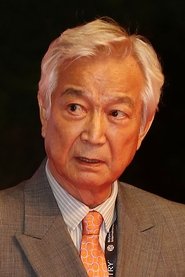
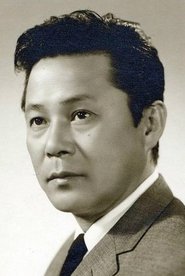
The cast features leading actors Shin Seong-il, Kim Ji-mi, Yoon Jeong-hee, and Kim Jin-kyu in pivotal roles.
Is Until That Day (1969) worth watching?
While it lacks a modern rating, *Until That Day* is a standout for fans of slow-burning dramas and Korean classics. Its emotional resonance and thoughtful pacing make it rewarding for viewers who appreciate nuanced storytelling and strong performances.
How long is Until That Day?
The film runs for 95 minutes.
About Until That Day (1969) — A Forgotten Gem of Korean Drama and Its Timeless Themes
A reflective 1969 Korean drama by Kim Kee-duk, *Until That Day* weaves a poignant tale of love and loss against the backdrop of a changing society. Starring Shin Seong-il and Kim Ji-mi, the film captures the bittersweet tension between tradition and modernity, set within a quiet, introspective atmosphere. Yoon Jeong-hee and Kim Jin-kyu round out the ensemble, delivering performances that linger long after the credits roll.
Through understated storytelling and emotional depth, *Until That Day (1969)* explores how personal relationships evolve when faced with external pressures. The film's 95-minute runtime allows it to build its narrative with care, blending subtle drama with moments of quiet revelation. For viewers seeking a contemplative experience, it remains a compelling snapshot of Korean cinema's golden era.