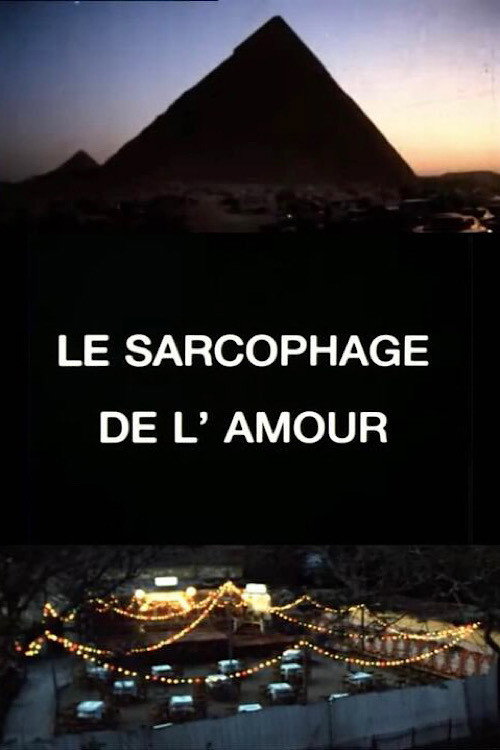
Love Aborted 1985
Omar Amiralay's *Love Aborted (1985)* dives into the pulse of gender dynamics in Egypt on the cusp of a pivotal 1985 Beijing conference on women's rights.
Director: Omar Amiralay
Frequently Asked Questions
What is Love Aborted (1985) about?
*Love Aborted* follows a group of Egyptian women from different walks of life as they navigate the complexities of gender, class, and societal expectations in the lead-up to a landmark 1985 conference. The film blends their personal stories with broader themes of inequality and progress, offering a deeply human perspective on the fight for women's rights.
Who directed Love Aborted?
Omar Amiralay, a prominent Syrian filmmaker known for his socially conscious documentaries, directed *Love Aborted*.
Who stars in Love Aborted?
The film features a diverse cast of Egyptian women, including lawyers, actresses, and domestic workers, each sharing their personal and professional struggles.
Is Love Aborted (1985) worth watching?
For fans of documentary cinema that prioritizes raw storytelling over sensationalism, *Love Aborted* is a compelling watch. Its themes of gender and class remain relevant, and Amiralay's direction ensures the film is both thought-provoking and emotionally engaging.
How long is Love Aborted?
The runtime of *Love Aborted* is 51 minutes.
About Love Aborted (1985) — Omar Amiralay's intimate documentary on gender and change in Egypt
Omar Amiralay's *Love Aborted (1985)* dives into the pulse of gender dynamics in Egypt on the cusp of a pivotal 1985 Beijing conference on women's rights. Crafted as part of a global documentary series, the film zeroes in on Egyptian women from diverse backgrounds—lawyers, actresses, and domestic workers—each invited to peel back the layers of their private lives. Through intimate conversations, the director exposes the contradictions between social progress and entrenched gender roles, painting a portrait of resilience and quiet defiance. The 51-minute documentary pulses with the raw energy of personal stories, weaving together class, identity, and the unspoken rules that shape women's lives in a rapidly shifting society.
Amiralay's lens is both compassionate and unflinching, capturing the tension between tradition and modernity in Cairo's streets and homes. The film's title hints at interrupted dreams and societal expectations, but its true power lies in the voices of the women who refuse to be silenced. *Love Aborted (1985)* is more than a historical artifact—it's a time capsule of struggles and triumphs that still resonate decades later.