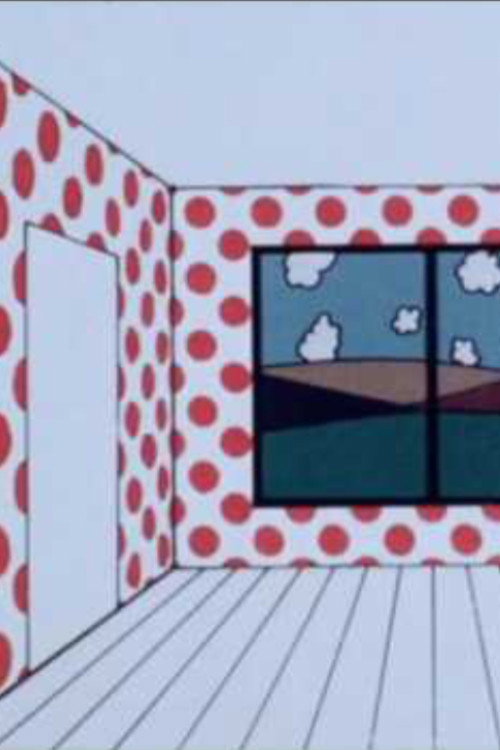
Slippery Slope 1972
Step into the surreal whirlpool of Karin Wiertz's experimental animation *Slippery Slope* (1972), a four-minute visual odyssey that redefines architecture and nature as fluid, ever-shifting dream states.
Director: Karin Wiertz
Frequently Asked Questions
What is Slippery Slope (1972) about?
*Slippery Slope* (1972) is a hypnotic animated short that follows a house whose interiors and exteriors constantly transform, reacting to an unseen soundtrack. The film plays with perspective, turning architectural spaces and natural landscapes into a fluid, dreamlike puzzle. While plot-driven stories are absent, the visual metamorphosis creates an immersive, almost musical experience.
Who directed Slippery Slope?
The film was directed by Karin Wiertz, a pioneering animator whose work often explored experimental and avant-garde techniques.
Who stars in Slippery Slope?
Cast details for *Slippery Slope* (1972) are not listed.
Is Slippery Slope (1972) worth watching?
Though unrated and brief, *Slippery Slope* (1972) offers a unique slice of 1970s experimental animation that's as thought-provoking as it is visually striking. Its abstract nature may not appeal to all, but fans of surrealist cinema and bold visual storytelling will find it captivating. Available as a short film, it's perfect for a quick but memorable viewing experience.
How long is Slippery Slope?
The runtime of *Slippery Slope* (1972) is 4 minutes.
About Slippery Slope (1972) — The 4-Minute Animated Surrealist Masterpiece You'll Never Forget
Step into the surreal whirlpool of Karin Wiertz's experimental animation *Slippery Slope* (1972), a four-minute visual odyssey that redefines architecture and nature as fluid, ever-shifting dream states. The short film unfolds through a house whose rooms morph unpredictably, walls bending to the rhythm of an unseen melody, while the surrounding landscapes dissolve from craggy cliffs to lush forests at a single glance. Wiertz's avant-garde approach transforms space into a living canvas, where perspective and perception blur into hypnotic abstraction. The absence of dialogue amplifies the sensory experience, inviting viewers to lose themselves in the interplay of geometry and organic forms. This unorthodox gem is a testament to how animation can transcend storytelling, becoming pure visual poetry.
In an era when animation was largely tethered to narrative conventions, *Slippery Slope* (1972) carved its own path by embracing ambiguity and motion. The film's title hints at its volatile charm—a slippery slope where stability is an illusion, and every angle reveals a new puzzle. Wiertz's direction leans into the surreal, crafting an atmosphere that lingers like a half-remembered dream. Though brief, its impact echoes far beyond the screen, leaving audiences to ponder the boundaries between structure and chaos, reality and illusion.