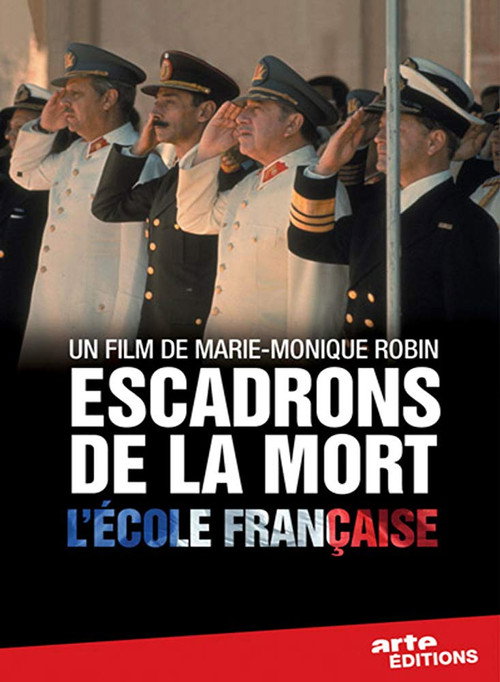
Death Squadrons: The French School 2003
In "Death Squadrons: The French School (2003)", director Marie-Monique Robin meticulously documents France's exportation of brutal anti-subversive tactics developed after the Battle of Algiers, revealing a dark chapter of military strategy shared across Latin America and the U.S.
Director: Marie-Monique Robin
Cast

Frequently Asked Questions
What is Death Squadrons: The French School (2003) about?
"Death Squadrons: The French School" investigates France's post-colonial exportation of repressive military tactics to Latin America and the U.S. during the 1960s. The film traces how methods developed in Algeria were adopted by regimes worldwide, often with devastating consequences for civilian populations.
Who directed Death Squadrons: The French School?
The film was directed by Marie-Monique Robin, an investigative journalist known for her work on human rights violations and state violence.
Who stars in Death Squadrons: The French School?
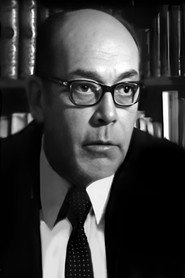
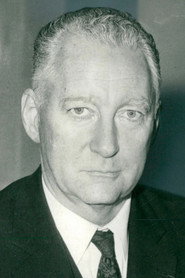
Key figures featured include General Paul Aussaresses, former Minister Pierre Messmer, and military personnel Anibal Acosta, Alcides Lopez Aufranc, and Manuel Contreras.
Is Death Squadrons: The French School (2003) worth watching?
As a 59-minute documentary steeped in historical urgency and raw testimony, it's a compelling watch for those interested in geopolitics, military history, or investigative cinema. Its unflinching approach and exclusive sources make it a significant, though sobering, contribution to the genre.
How long is Death Squadrons: The French School?
The documentary runs for 59 minutes.
About Death Squadrons: The French School (2003) — Exposing France's Shadowy Anti-Subversive Legacy
In "Death Squadrons: The French School (2003)", director Marie-Monique Robin meticulously documents France's exportation of brutal anti-subversive tactics developed after the Battle of Algiers, revealing a dark chapter of military strategy shared across Latin America and the U.S. in the 1960s. Through undercover footage, candid interviews, and exclusive testimonies from military figures like General Aussaresses and former Defense Minister Pierre Messmer, Robin weaves a chilling portrait of institutionalized repression. The documentary blends historical analysis with dramatic tension, exposing how techniques perfected in Algeria were weaponized globally, leaving a trail of human rights abuses.
This gripping investigative work turns abstract geopolitical history into a visceral experience, grounding its narrative in the personal accounts of victims and perpetrators alike. The film's somber tone and unflinching revelations make it a haunting exploration of power, violence, and the lingering shadows of colonial-era warfare. Robin's journalistic rigor transforms "Death Squadrons: The French School" into more than a documentary—it's a necessary reckoning with the past and its unsettling legacies.