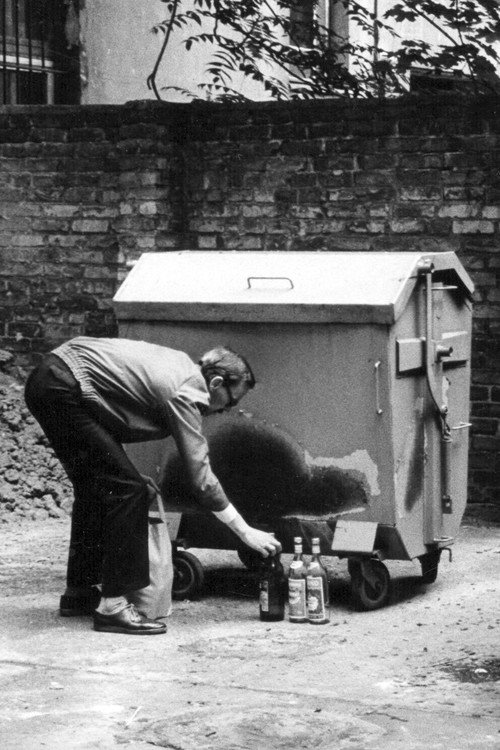
Komm in den Garten 1990
Heinz Brinkmann's *Komm in den Garten (1990)* offers a poignant, intimate portrait of three former East German friends navigating the ruins of their lives in the aftermath of the GDR's collapse.
Director: Heinz Brinkmann
Frequently Asked Questions
What is Komm in den Garten (1990) about?
This deeply personal documentary follows three former East German friends as they grapple with the wreckage of their lives after the fall of the GDR. Each man—one a painter, another a disgraced editor, and the third a failed diplomat—reveals how the system's collapse left them adrift, forced to rebuild identities shattered by imprisonment, psychiatric confinement, and state-enforced mediocrity.
Who directed Komm in den Garten?
Heinz Brinkmann directed this stark, observational portrait. Known for his work in German documentary cinema, Brinkmann crafts a film that prioritizes emotional truth over spectacle, letting his subjects' stories unfold with unflinching honesty.
Who stars in Komm in den Garten?
The film centers on three compelling real-life figures: Dieter, a painter imprisoned for his dissent; Alfred, a former editor trapped in a cycle of protest and institutionalization; and Michael, a disillusioned craftsman who once studied foreign trade in Moscow.
Is Komm in den Garten (1990) worth watching?
*Komm in den Garten* is a quietly powerful film that rewards viewers seeking insight into the human cost of political upheaval. While it lacks mainstream appeal, its raw authenticity and unflinching focus on personal resilience make it a compelling watch for fans of historical documentaries and character-driven storytelling.
How long is Komm in den Garten?
The film runs for 89 minutes.
About Komm in den Garten (1990) — A raw, intimate look at East Germany's broken dreams
Heinz Brinkmann's *Komm in den Garten (1990)* offers a poignant, intimate portrait of three former East German friends navigating the ruins of their lives in the aftermath of the GDR's collapse. Dieter, a painter once imprisoned for his refusal to conform to state labor demands; Alfred, a once-promising editor whose protests and self-destructive tendencies land him in a psychiatric facility; and Michael, a disillusioned foreign trade graduate turned lamp craftsman after expulsion from Moscow's Academy—each faces the crushing weight of a system that once defined their identities. Brinkmann's documentary immerses viewers in their struggles, weaving together themes of resilience, disillusionment, and the fragile human spirit amid historical upheaval. The film's subdued yet evocative tone captures the quiet devastation of lives derailed by ideological dogma, blending personal stories with the broader collapse of a regime.
Shot in austere black-and-white, *Komm in den Garten* eschews sensationalism for raw authenticity, letting the men's candid reflections and quiet perseverance speak volumes. Their journeys—marked by broken dreams, bureaucratic absurdity, and the search for meaning—paint a hauntingly human picture of an era defined by both oppression and the quiet defiance of those who outlasted it.