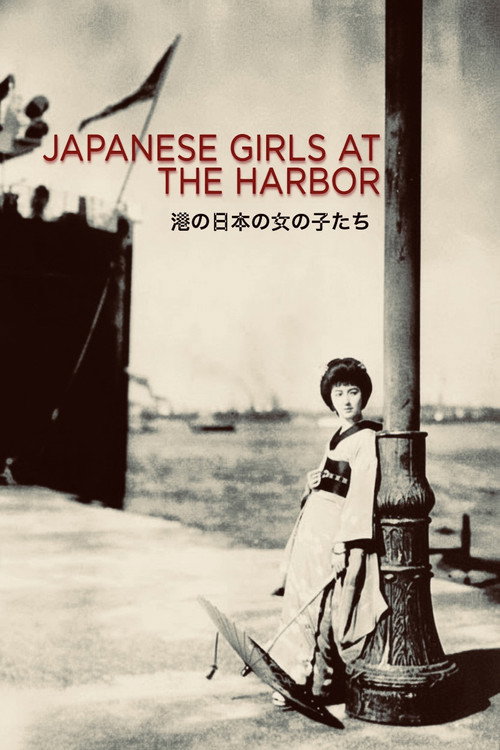
Japanese Girls at the Harbor 1933
Hiroshi Shimizu's *Japanese Girls at the Harbor* (1933) paints a delicate portrait of friendship, temptation, and the quiet upheavals that shape young lives in pre-war Japan.
Director: Hiroshi Shimizu
Cast
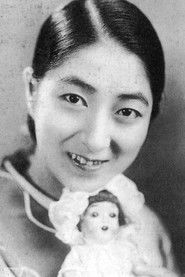
Michiko Oikawa
Sunako Kurokawa
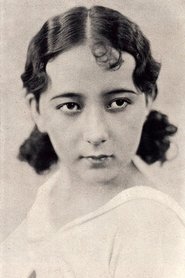
Yukiko Inoue
Dora Kennel
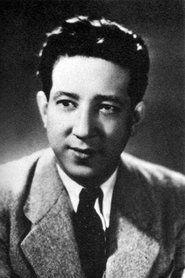
Ureo Egawa
Henry
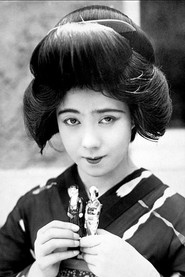
Ranko Sawa
Yôko Sheridan

Yumeko Aizome
Masumi
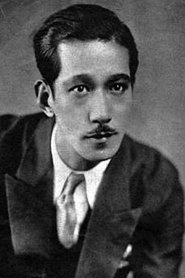
Tatsuo Saitō
Miura
Yasuo Nanjo
Harada
Frequently Asked Questions
What is Japanese Girls at the Harbor (1933) about?
The film explores the bond between two schoolgirls in Yokohama whose lives take a dramatic turn when a motorcyclist named Henry enters their world. Sunako's attraction to Henry tests her friendship with Dora, leading to consequences neither can fully foresee.
Who directed Japanese Girls at the Harbor?
Hiroshi Shimizu, a pioneering Japanese filmmaker known for his subtle storytelling and atmospheric dramas.
Who stars in Japanese Girls at the Harbor?
The film features Michiko Oikawa as Sunako, Yukiko Inoue as Dora, and Ureo Egawa as Henry, supported by Ranko Sawa, Yumeko Aizome, and Tatsuo Saitō.
Is Japanese Girls at the Harbor (1933) worth watching?
Though unrated on IMDb, its historical significance and emotional depth make it a compelling watch for fans of pre-war cinema. The restrained performances and Shimizu's direction offer a unique, introspective experience that lingers long after the credits roll.
How long is Japanese Girls at the Harbor?
The film has a runtime of 72 minutes.
About Japanese Girls at the Harbor (1933) — A Poignant Pre-War Drama of Friendship and Temptation
Hiroshi Shimizu's *Japanese Girls at the Harbor* (1933) paints a delicate portrait of friendship, temptation, and the quiet upheavals that shape young lives in pre-war Japan. Set against the bustling backdrop of Yokohama's port, the film follows Sunako and Dora, two Christian schoolgirls whose bond is tested when a charismatic motorcyclist named Henry enters their world. What begins as a carefree promise of loyalty soon unravels as Sunako's attraction to Henry ignites a ripple effect, altering destinies in ways the girls could never have anticipated. Shimizu crafts a tender yet melancholic atmosphere, blending romance with social observation, as the girls grapple with choices that feel both inevitable and heartbreaking.
This early sound-era drama stands out for its restrained emotional intensity and striking visuals, capturing a moment when tradition and modernity clashed in Japanese society. The film's themes of fleeting youth, unspoken desires, and the fragility of promises resonate through its sparse dialogue and evocative cinematography. For fans of slow-burn dramas with deep emotional undercurrents, *Japanese Girls at the Harbor* offers a rare glimpse into the cinematic landscape of 1930s Japan.