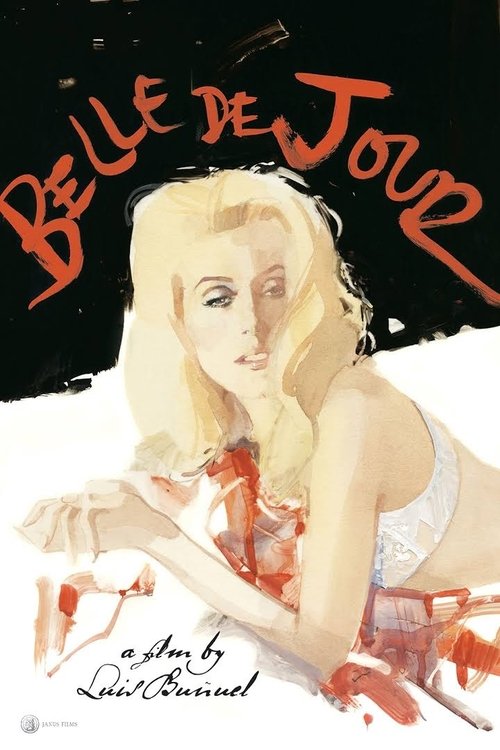
Belle de Jour 1967
"Luis Bunuel's Masterpiece of Erotica!"
Luis Buñuel's *Belle de Jour (1967)* plunges into the double life of Séverine Serizy, a refined young housewife torn between suburban domesticity and the shadowy allure of forbidden desire.
Director: Luis Buñuel
Cast
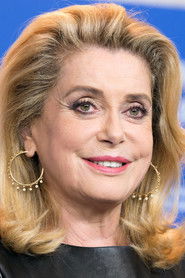
Catherine Deneuve
Séverine Serizy
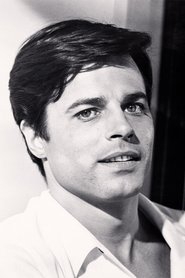
Jean Sorel
Pierre Serizy
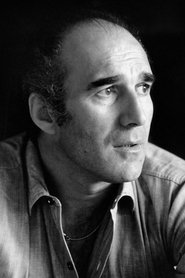
Michel Piccoli
Henri Husson

Geneviève Page
Madame Anais
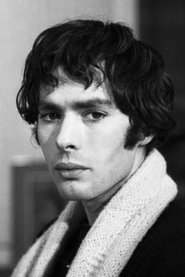
Pierre Clémenti
Marcel
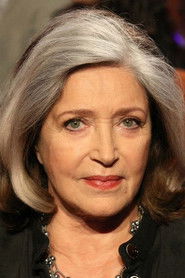
Françoise Fabian
Charlotte
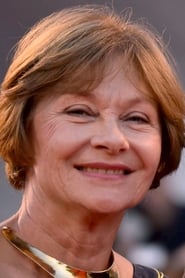
Macha Méril
Renée
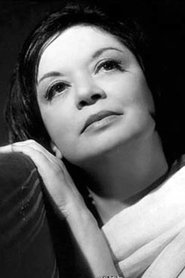
Muni
Pallas
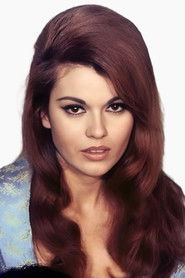
Maria Latour
Mathilde
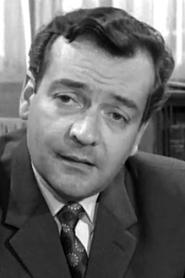
Claude Cerval
The Driver (uncredited)
Frequently Asked Questions
What is *Belle de Jour (1967)* about?
The film follows Séverine Serizy, a seemingly proper young wife whose repressed masochistic urges drive her to work incognito at an upscale Parisian brothel. Her carefully constructed domestic life begins to fracture as she grapples with the consequences of her secret double existence.
Who directed *Belle de Jour*?
Luis Buñuel, the legendary Spanish-French filmmaker known for his surrealist and provocative works like *The Discreet Charm of the Bourgeoisie* and *Viridiana*.
Who stars in *Belle de Jour*?
Catherine Deneuve leads the cast as Séverine, with Jean Sorel as her husband Pierre, Michel Piccoli as a mysterious client, and Françoise Fabian as the brothel's enigmatic Madame Anais.
Is *Belle de Jour (1967)* worth watching?
Absolutely—if you appreciate psychologically rich dramas with bold thematic depth. Buñuel's direction and Deneuve's mesmerizing performance elevate it beyond mere eroticism, making it a standout in both romance and drama genres.
How long is *Belle de Jour*?
The film runs for 100 minutes.
🎥 Trailer
About Belle de Jour (1967) — A Haunting Exploration of Desire and Identity
Luis Buñuel's *Belle de Jour (1967)* plunges into the double life of Séverine Serizy, a refined young housewife torn between suburban domesticity and the shadowy allure of forbidden desire. As the elegant Catherine Deneuve radiates icy repression, her character escapes into the secretive world of a high-end Parisian brothel, where she adopts the alias Belle de Jour—only to confront the dark edges of her own masochistic fantasies. With Jean Sorel and Michel Piccoli lending weight to her divided existence, Buñuel crafts a masterclass in eroticism and psychological tension, blurring the lines between fantasy and reality in this unforgettable drama.
The film's hypnotic atmosphere is steeped in Buñuel's signature surrealism, where every glance and gesture drips with subtext. Séverine's journey becomes a meditation on repression, power, and the price of liberation, all wrapped in the glossy veneer of 1960s Parisian sophistication. *Belle de Jour (1967)* remains a timeless exploration of desire's contradictions, as seductive as it is unsettling.