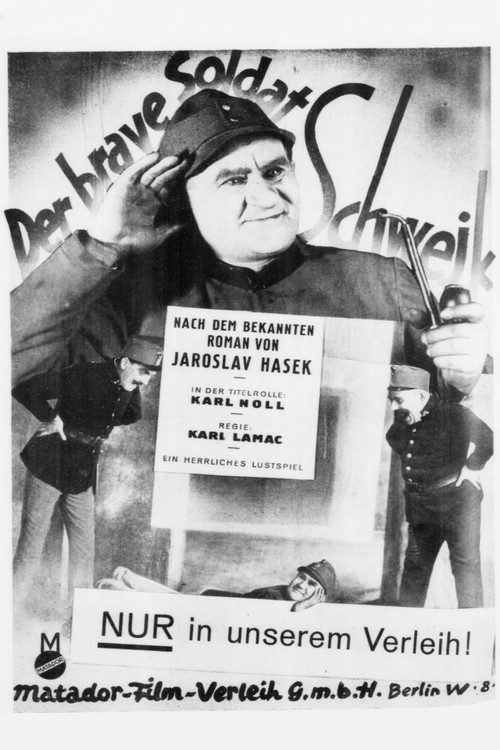
The Good Soldier Švejk 1926
The 1926 silent comedy *The Good Soldier Švejk* introduces Karel Lamač's playful take on Jaroslav Hašek's iconic character—a Prague dog trader whose life takes a chaotic turn after the Sarajevo assassination.
Director: Karel Lamač
Cast
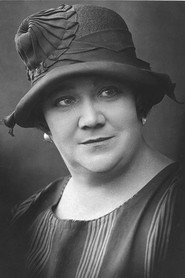
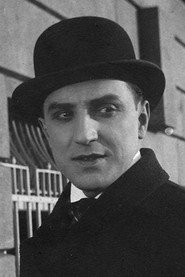
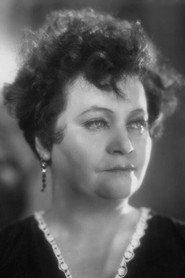
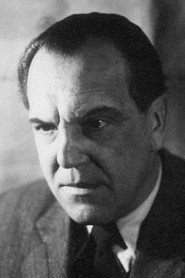

Frequently Asked Questions
What is The Good Soldier Švejk (1926) about?
This silent comedy follows Josef Švejk, a Prague dog dealer whose life spirals into madness after being drafted into the Austro-Hungarian army. Against the backdrop of political turmoil, Švejk's bumbling resilience turns every order into a farcical challenge.
Who directed The Good Soldier Švejk?
Karel Lamač directed this 1926 adaptation, blending silent-era charm with sharp social commentary.
Who stars in The Good Soldier Švejk?
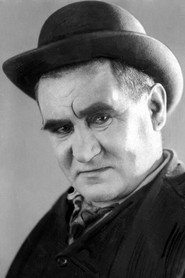
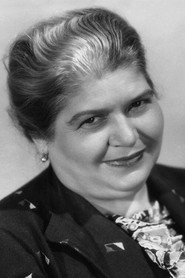
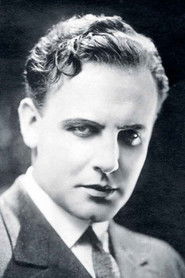
The film stars Karel Noll as Švejk, alongside Antonie Nedošinská, Betty Kysilková, and Jan W. Speerger in key roles.
Is The Good Soldier Švejk (1926) worth watching?
Though unrated, its historical significance and comedic timing make it a fascinating watch for silent film enthusiasts. The blend of satire and slapstick ensures it stands out among early 20th-century comedies.
How long is The Good Soldier Švejk?
The runtime is 86 minutes.
About The Good Soldier Švejk (1926) — Silent Comedy Classic with Classic Wit
The 1926 silent comedy *The Good Soldier Švejk* introduces Karel Lamač's playful take on Jaroslav Hašek's iconic character—a Prague dog trader whose life takes a chaotic turn after the Sarajevo assassination. Drafted into the Austro-Hungarian army despite his knack for dodging duty, Švejk navigates absurd bureaucracy and wartime absurdity with unwavering cheer, delivering sharp satire wrapped in slapstick charm. The film blends dark humor with historical tension, painting a vivid picture of early 20th-century military life through a lens of reluctant heroism and comic resilience.
Directed by Lamač and starring Karel Noll as the titular everyman, this silent-era gem captures the spirit of rebellion and wit that defines Švejk's legacy. With its lighthearted yet biting tone, the movie offers a nostalgic glimpse into silent cinema while poking fun at authority—perfect for fans of classic comedy and historical satire alike.